
Spotify Apple Podcasts Everywhere else Download
I am not a hunter. At all. So when Jarrod came on to talk about hunting, I was really really excited to fill in some very big gaps (I'd only recently learnt there's more than one kind).
Jarrod is an aircraft engineer from Nelson. His shifts give him blocks of days off, so he can fill the cup with the family and still get away on a mission. He got hooked on hunting in his early 20s, on a steep first trip in the wrong boots, and these days his favourite is alpine hunting up on the tops.
So we talk about how he got into it, the different kinds of hunting in New Zealand, and his long road to a wapiti block in Fiordland. Eight days living out of a pack, a spotting scope, wapiti that sound like dinosaurs and his first kiwi in the wild. Plus his tips for getting started, land access, and the place he's keen to go next. We ran out of time for trail running. Soooo much to cover, so that one's for next time.
In this episode
- How Jarrod got into hunting
- Types of hunting in New Zealand
- The Fiordland wapiti ballot
- Packing for eight days in Fiordland
- Wapiti bugles, a kiwi and taking the shot
- How to get into hunting
- Land access and DOC hunting permits
- Stewart Island and the white-tails
How Jarrod got into hunting
Growing up in Nelson, Jarrod wanted to party, reckoned it was a pretty average place for that, and wanted to leave. A bit of travel changed his mind. As his love for the outdoors grew in his early 20s, Nelson ticked all the boxes: the ocean and the hills.
His dad hunted. Jarrod remembers going to pick him up after big missions, when all he cared about was having a picnic and seeing the old man, without ever realising what he'd been up to. Jarrod drifted away from it for a while, spent a few years as what he calls a bit of a motocross dirtbag, then got into mountain biking.
Around 20 he started getting closer to his dad, and hunting became their way to hang out: instead of phone calls about the weather, they were talking about something that interested them both.
I love one-on-one time like that. On a multi-day trip people see you at your worst, and some of my best friendships have come out of the outdoors.
Jarrod agrees. Strip everything else back, add some tiredness and the weather turning average, and it's pretty much just you as a person.
His first hunting mission
A good mate took him on his first mission while Jarrod was a broke aircraft engineering student. The first thing he bought was a rifle, which he admits wasn't the best first purchase, because his only boots were the John Bull steel cap slip-ons from his course.
His mate, a bit of a mountain goat, told him it would be about four or five hours and pretty easy going. It was steep. Jarrod got to the top absolutely smoked, and looked down into a beautiful basin with a couple of deer in it. They spent one night up there, came out the next day, and he was hooked.
He has a photo from that trip of himself crossing a face so steep that his feet are kicked into the snow and his hands are resting on the slope. With the experience he has now, there's no way he'd do it. As he puts it:
"the older I get and the more I do the less I do … the less risks I take"
He's been lucky to get away with the risks he has taken, and each one has added to his experience and knowledge.
Types of hunting in New Zealand
Jarrod explains there are different species you can hunt, and different niches inside each of those species.
In the South Island, it's mostly red deer, with fallow deer around where he lives and hunts. Then there's chamois, and on the West Coast and parts of the east coast, you get into tahr. Head down the island and there's wapiti, which is essentially an elk. On Stewart Island, and still in some parts of the South Island, there are white-tailed deer. The North Island has other species again, including sika and rusa deer, and they're predominantly in the bush.
That makes North Island hunting a lot more about sneaking through the bush at close quarters, really skilful stuff that Jarrod doesn't have the patience for. He loves getting out onto the tops and into open country.
Then there's bow hunting, a totally different ball game because you have to get a lot closer, plus duck and geese hunting and various other kinds.
What transfers between species
Bush skills transfer to bush skills, Jarrod says, and the mental side carries across too. That gets amplified in Fiordland, and hunting tahr on the West Coast, where you need to be okay with a bit of risk because the country is pretty gnarly. Being really good at your craft is different for each species, and Jarrod calls himself average and always trying to learn.
The Fiordland wapiti ballot
Getting a block in the Fiordland wapiti ballot, Jarrod says, is pretty much like trying to crack the Da Vinci code. Only a few of the blocks are the really popular ones, in the core wapiti area, where targeted deer controllers take out a lot of the red deer to look after the wapiti herd.
The season runs in four periods, or swings, of 10 days each.
Three goes at getting in
Jarrod first drew a block the year of COVID. Everything was packed, the forecast was bluebird, which he says is unheard of, and they were fizzing. Then the lockdown kicked off, and instead of hunting they were stuck inside looking at how good the weather was.
He drew another block the next year, and two weeks out his mate was injured. Jarrod wants to go into a place like that with someone he trusts, and rustling someone up last minute was too hard, so he withdrew.
Then he joined up with some young fellas, put in for 2023, and drew a block. All the delays made it cooler when he finally got in.
I compared it to trying for Milford Track tickets year after year: when you finally get to go, it's so cool.
Jarrod's take: once you get that opportunity it's worth it, and the waiting is hard.
Packing for eight days in Fiordland
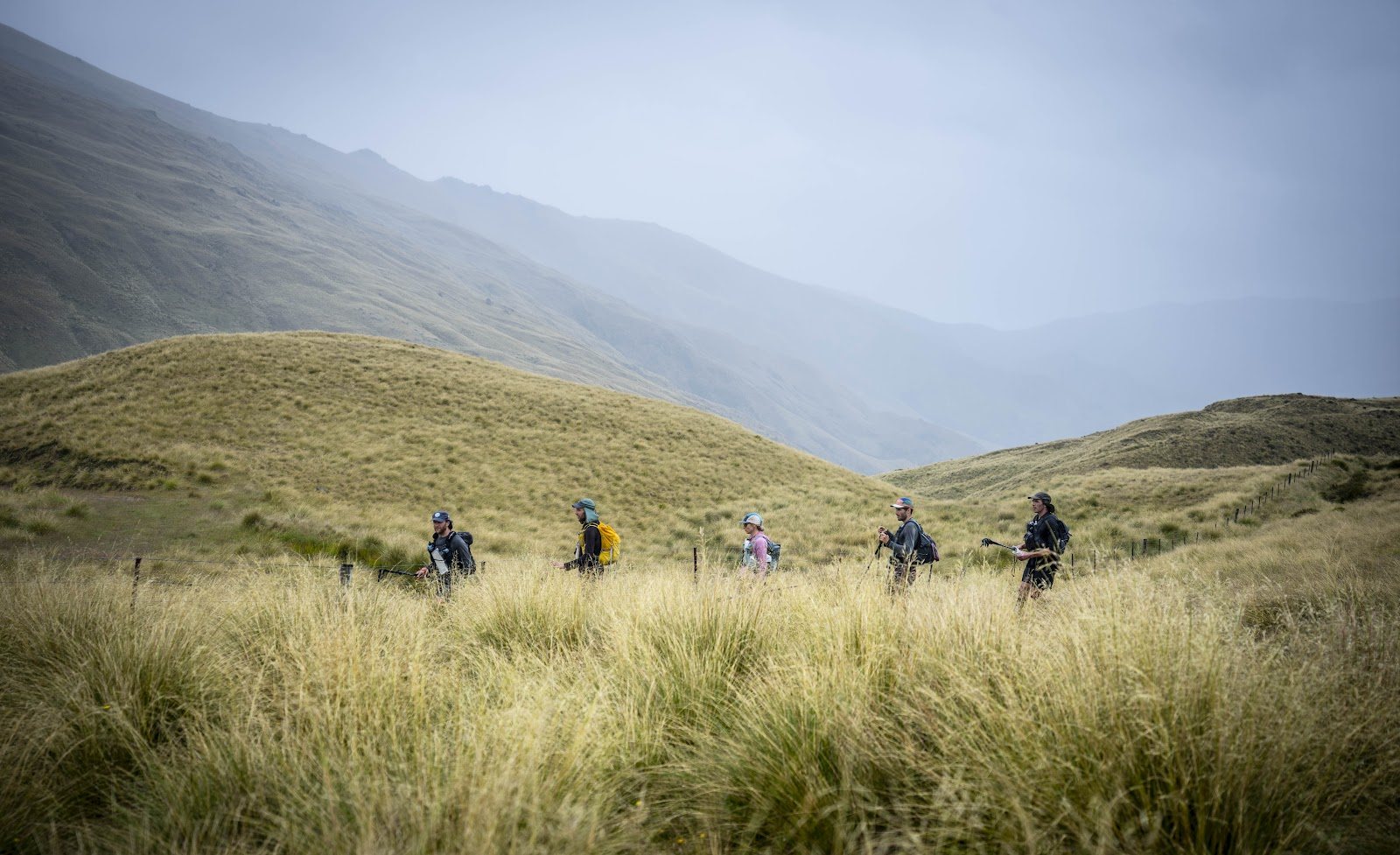
Four of them went in, on a pretty scratchy forecast, and the other three were unbelievably fit. Jarrod gave one of the young fellas a hard time about how little gear he was taking.
Jarrod packed for a few tent days, with enough food to smash some back if he got bored. It was apparent on the first climb that he'd taken too much, the grief stopped pretty quick, and the young fella started hooking into him instead.
They lived out of their packs for eight days, and didn't do gear sharing that well: Jarrod could have got away with sharing a tent.
Hunting gear on top of the tramping kit
On top of everything you need overnight, Jarrod's hunting-specific kit:
- Rangefinding gear.
- Knives, and something to sharpen them with.
- A pretty extensive first aid kit, because you're handling knives.
- Binoculars, the main tool for spotting animals.
- A spotting scope, heavy and bulky, and it can save a lot of walking (more below).
- Cameras, in his case, for the YouTube videos he was making. Optional.
- A couple of blocks of Whittaker's, a luxury he reckons is the same in the hiking game.
Talking about it had me dreaming of a peanut slab, because they're so good when you're walking.
Glassing and the spotting scope
Down there, there's a lot of emphasis on targeting old animals. The ballot is essentially trophy hunting: you're going in looking for an animal you're happy with trophy-wise, which means antlers. A spotting scope lets you make a real accurate assessment of an animal and how old it is, without walking all the way over to it.
Binoculars do most of the work. You get to a spot, sit down, pull the binos out and do what's called glassing, which Jarrod says is a fancy term for looking through binoculars. In the bush you're limited to close range, and up in the alpine country you can look across valleys.
That's why tops hunting is one of the options down there. You get right up high and use elevation to your advantage, because animals in New Zealand tend to look down more than they look up. Get above them and you've got an edge.
Wapiti bugles, a kiwi and taking the shot
The special part of the trip, for Jarrod, was seeing wapiti for the first time and hearing them bugle. It happens over the same time frame as the red stag roar, and the noise, called a bugle, sounds quite a bit different. They got pretty close to one, and up close, he says, they sound like a dinosaur.
The one and only time I've heard deer roaring was on the Milford Track, walking with five other girls in the season. We were wondering if a noise was a deer (it turned out to be ducks quacking), and right as we were talking about it, there was a proper roar.
Jarrod says there are quite a lot of deer around there, and during the roar they'll travel wild distances.
Next to the bugling was seeing a kiwi, his first ever in the wild. It saw them as they came through the bush and ran, and what he remembers most is how massive it was.
Who takes the shot
The shot goes to whoever the group feels deserves it, and with Jarrod and his mates, whoever sees the animal usually gets first dibs. The trick is getting up the hill first: smash it up into the new country, look into it before anyone else, and the odds are on your side.
It was a team effort in there, and these days that's the part he loves most:
"I've done enough hunting that I'd kind of just get fizzed up on just being out there with cool people. And as life gets busier, I've gone away from caring about what hits the deck"
Creating epic memories with cool people is what spins his wheels in the hunting game now.
After the shot
As Jarrod puts it:
"once you pull the trigger on an animal like that, that's where the work starts"
Some of these areas are a long walk out, with very little track apart from deer tracks, so travel can be pretty nasty. That's why you've really got to want to take that animal's life in there: you're responsible for getting it out, taking as much meat as your body and mind can handle, and sharing it with whoever you're with.
A big wapiti bull's antlers add serious weight, and more again if you take the head skin out to get it taxidermied, all on top of your other gear (and Jarrod is someone who takes way too much stuff). Then you butcher the animal, take as much meat as you can and get out, because the clock starts with the meat going bad.
How to get into hunting
A listener asked how to get into hunting if you've never done it. Jarrod's steps:
- Make connections first. Jump into some of the hunting groups on Facebook. He reckons 99.9% of people are pretty open, especially when it comes to getting people into the thing they love.
- Find someone you trust, or at least get a good feeling about, because you're going to be using firearms at some point.
- Get advice on gear. Buy the best stuff you can with the money you have, and don't get too carried away. And skip the John Bull steel cap slip-ons.
- Work out the type of hunting that excites you. Get some experiences, see what you like and what you don't, and lean into it if you still like it.
- Go by yourself, eventually. Once you get to that point, it opens up a whole other world.
Earlier this year I visited the States for the first time and was told I had to go to Bass Pro. My jaw was on the floor: a whole store of hunting and fishing gear, with more types of fishing rod than I knew existed. You can definitely go down a rabbit hole with gear, so I like Jarrod's advice to start with what you've got.
Land access and DOC hunting permits
Another listener asked about land access. Jarrod hasn't done much hunting in the North Island, but he knows access can be trickier up there, because there's less hunting ground than in the South.
You don't want to go wandering onto some farmer's land, so you've got to be careful you're on DOC land. The DOC maps have layers that show open hunting areas, so there aren't really any excuses anymore.
Jarrod breaks it into three layers:
- Private land, which is harder to get access to.
- Station land like Molesworth Station, a bit of an in-between. It's leased to a farming outfit, and to get access you go through a ballot block system.
- DOC land, where you get a permit on the DOC website and you're good to roll.
Stewart Island and the white-tails
Next on Jarrod's list is getting down to Stewart Island to chase the white-tails around, mostly to see that part of the country. He hasn't been yet, and a mate of his goes down religiously every year.
I'd just had an episode about Stewart Island too, and it pushed it right up my priority list. Some of that scenery is as wild as wild gets, and a different kind of wild to Fiordland.
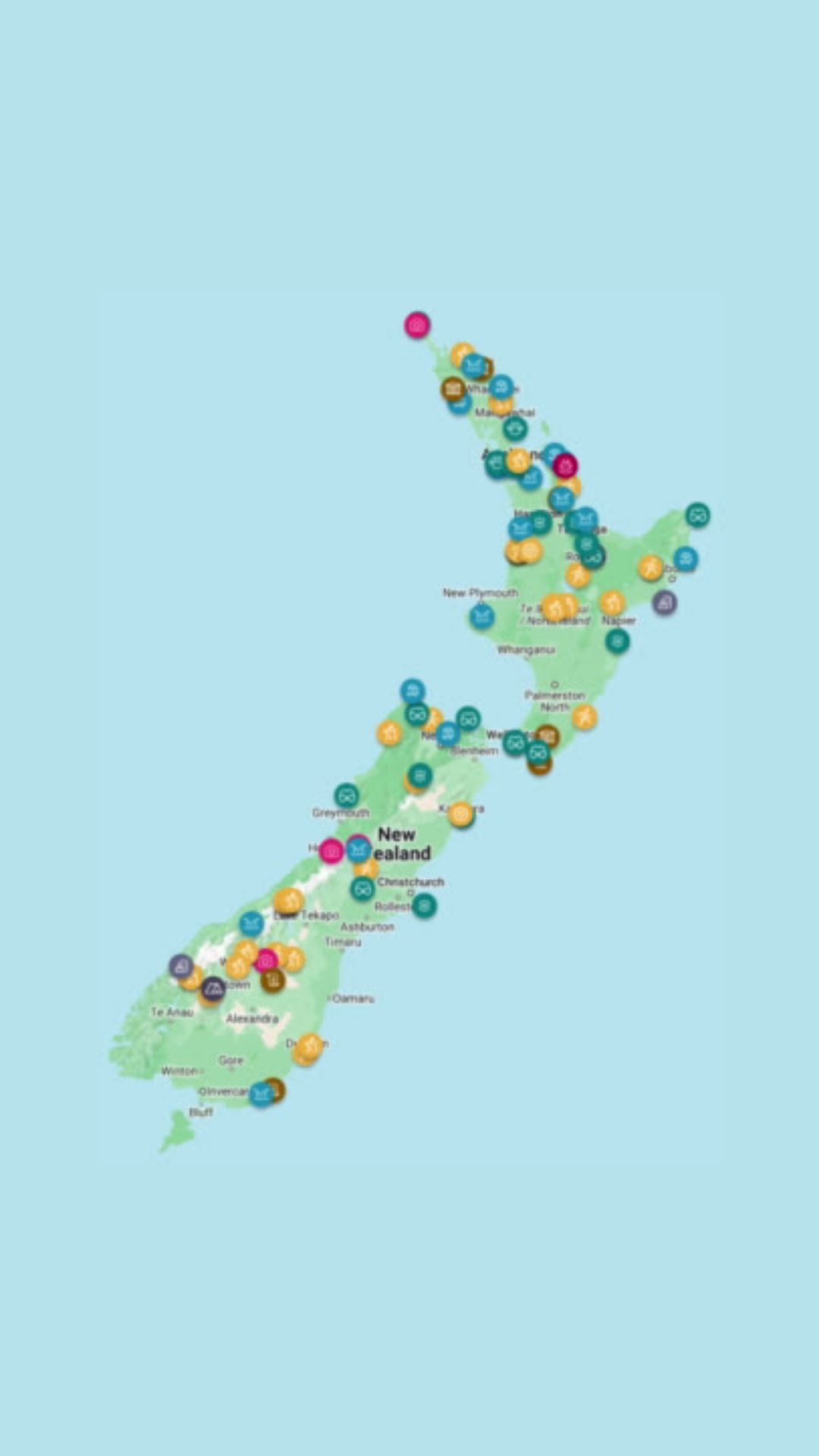
Places from this episode
- Nelson
- Fiordland
- West Coast
- Stewart Island
- Milford Track
- Molesworth Station
Follow Jarrod
Jarrod shares his hunting missions on Instagram and in the YouTube videos he makes.
Links from this episode
- Follow Jarrod on Instagram: instagram.com/j_mclauchlannz
- Subscribe on YouTube
- Hunting Wapiti in Fiordland
- www.bloodlinegear.co.nz
- Follow Abigail on Instagram: instagram.com/abigailhannnah
- Follow Aotearoa Adventures on Instagram: instagram.com/aotearoa_adventures_
More like this
- Tramping the Dusky Track in Fiordland with Sam Harrison
- A Sea Kayaking Expedition Along the Fiordland Coast with Mark Jones
- From Fly Fishing Guiding in New Zealand to Starting an Outdoor Gear Brand with Matt Butler
- Conservation and Lessons from the Bush with Bushman Sam the Trap Man
Until then, keep adventuring :)
The ultimate
NZ road trip adventure guide
Packed with insider tips and stunning photography, this is the only resource you need to plan your journey.