Episode 151
House Sitting across New Zealand with Travel Writer Jessica Lockhart

Episode 151
House Sitting across New Zealand with Travel Writer Jessica Lockhart
Spotify Apple Podcasts Everywhere else Download
I'd only been house sitting since early June when we recorded this, so I was really really excited to chat to someone who has done it for years. Especially someone with what sounds like a dream job.
Jessica Lockhart is Lonely Planet's destination editor for Oceania, which means she commissions and edits guidebook content for Australia, New Zealand and the Pacific Islands. She's Canadian, a freelance travel journalist for a long time, and she spent three years as a full-time house sitter here, from Balclutha all the way up to Mangōnui.
So we get into how she ended up telling Aotearoa's stories, what a day writing a guidebook actually looks like (exhausting!), how house sitting works, the highs, the horror stories and one very scary storm. Then her picks for the North and South Islands, a few I'd never heard of. I'm a total house sitting baby next to her, so I took notes.
In this episode
- Knowing your own country first
- Becoming Lonely Planet's Oceania editor
- A day writing a guidebook
- What makes travel in Aotearoa special
- How house sitting in New Zealand works
- The highs and lows of house sitting
- Jessica's North and South Island picks
- The Solomon Islands and Jessica's bucket list
Knowing your own country first
Jessica is very aware that travel is a privilege, and she acknowledges it constantly in her line of work. She grew up in a very rural, isolated community in northern Alberta and didn't travel internationally until she was about 19. The family ethos was to know your own country first, so they spent countless holidays exploring Canada, learning its culture and history. That's something she brought with her when she moved to New Zealand.
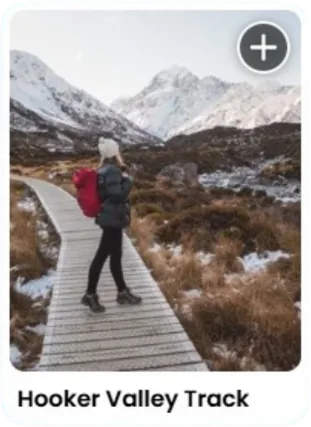
I'm incredibly passionate about this. I constantly meet Kiwis who have never been to Cape Reinga or Milford Sound, or done the Hooker Valley Track, but have done a Europe summer. It's one of the reasons I talk about Aotearoa week after week.
I did it the other way round: until I was about 18, all my travel was international, and I only really discovered Aotearoa after moving back.
Becoming Lonely Planet's Oceania editor
The longer Jessica worked as a travel journalist, the more she thought about a debate in the travel writing world: local experts versus parachute journalists, who fly in to cover a place. She's not opposed to either. But she thinks the best travel writers are outsiders who are also insiders, people with a deep understanding of a place who also know how to explain it to visitors. As a Canadian living in New Zealand, that's her perspective.
She first moved here in 2018, planning to keep flying out to report on other destinations. Then two things happened. The pandemic kept her in the country. And parachute journalism had started to feel uncomfortable: what right did she have to tell the story of a place she'd only visited for a week, without understanding its culture or history? So she dug deeper and focused on telling stories about Aotearoa to a North American audience.
She went back to Australia during the pandemic, but kept returning to write a guidebook to New Zealand and to keep house sitting, and in 2024 she moved back.
A day writing a guidebook
Travel writing is the dream job in so many ways, Jessica says, and she absolutely loves it. It's also the longest hours of any job she can think of. On the road writing guidebook content, a typical day looks like this:
- From around 4am: coffee, laptop open, writing up notes from the day before, plus emails and admin.
- About 7.30am: a frantic shower and pack, because she's in a different hotel room every night.
- 8am to 6pm: activities, often with no real break. She calls it being a tourist on speed.
- Evening: dinner with someone from the regional tourism organisation, staying professional until about 9pm.
- Then: social media content, then she passes out, sleeps for six hours, and repeats.
Not every activity is one she'd choose (a vegetarian on seafood cruises, say), because she's working out what other travellers would like. What really drives her is the people: international visitors, and local tour operators doing incredible things in their communities, some of whom she's known for years.
I had a teeny tiny glimpse of this on a partnership with Taupō's tourism board. It was only a couple of days at one hotel, with sunrise and golden hour shoots, and I was so tired. I can't imagine it back to back.
What makes travel in Aotearoa special
The tourism businesses supporting each other here is something Jessica finds very unique to the country. Operators want their friends and others in their community to do well, and she hasn't really experienced that anywhere else.
So many operators here are family run, and they give back to their communities in big ways, like pest trapping programmes. I love supporting those small businesses.
Holiday parks are another one. To a Canadian, a campground is somewhere you pitch a tent or park your caravan, quite isolated from everyone. Here, holiday park cabins and motel rooms are such good value, and you meet fun people in the kitchens: a great middle ground if you don't want a hostel.
And then there are the DOC huts. Jessica was blown away to find there are more than 950 of them across the country, and they're such good value. They gave her the courage to start tramping overnight alone. She'd done multi-day hikes before, but never solo, and knowing there'd be a hut at the end of the day gave her a burst of confidence.
If you love huts, I've had Ben, who's been to over 500, and Chris, who keeps a ranking spreadsheet of them.
How house sitting in New Zealand works
Jessica and her partner never planned to house sit. They had their hearts set on living in Nelson, but arrived during an affordable housing crisis. At rental viewings, they were up against single mums with young babies, and taking housing away from people like that felt really uncomfortable. So they looked for alternatives.
The first house sit they found was four months in Tākaka, but it didn't start for months. So Jessica got on Kiwi House Sitters and quickly booked back-to-back sits to fill the gap. It helped that it was November, when lots of people want a house sitter for the holidays.
That's her number one tip for beginners: start over the holiday periods. People need someone to look after their homes and pets, so they're more open to someone without experience.
The system
House sitting is built on reciprocal trust. In New Zealand, most people find sits through the Kiwi House Sitters website, where house sitters pay a small yearly fee. You're generally living in a stranger's home, and almost every time, it's really pet sitting: dogs, cats, donkeys, rabbits, whatever they have. Sits with no pets, where someone only wants the lawn mowed or the garden watered, are rare and in high demand. Right before lockdown, Jessica was about to start a long sit on a three acre property overlooking the ocean in Sumner, with no pets. Then lockdown happened.
Short sits and long sits
They prioritised longer sits, up to four months. Jessica loves routine, so she finds short ones hard: a dog spends the first day or two wondering who you are, and only by day three are you cool. Longer sits are more competitive, though, so short ones are easier when you're starting out.
We've been doing sits of two or three weeks at a time, adding more as our van build drags on. With no reviews, I got rejected from quite a few at first, but a couple of reviews made all the difference.
Trying on lives like Goldilocks
Jessica says house sitting was like being Goldilocks: you get to try on different lives, houses and communities for size. On the first day of every sit, after cleaning out the fridge (people's fridges are horrifying), they'd write a list of everything they wanted to do in the area, from big tourist activities to a local walk found on a council website, and stick it on the fridge. Looking after dogs helps, because you explore all the trails nearby.
The highs and lows of house sitting
Jessica has many horror stories, but she's careful not to identify anyone. What surprised her is how many homeowners skip the bare minimum, like clean sheets or taking the rubbish out. It showed her how busy people are, and mostly made her want to help.
Her advice is to meet the animals and owners in person before you commit. Sometimes they'd go to a meet and greet with a dog and realise it wasn't the house for them, and an animal behaves differently in person than over Zoom.
The animals bring their own challenges. One dog kept jumping the fence and killing weka, which she found really upsetting, trying to keep the dog in its routine and protect the wildlife at the same time. Instructions vary wildly too. One homeowner told her to feed the dog what you'd normally feed a dog, at a normal time. There is no normal: she's literally been told to feed a dog its kibble piece by piece.
My first sit was with a 13-year-old dog while his owners were in Italy for three weeks, and I was so scared he'd die on us. We kept the old man alive.
Building community on the move
The biggest downside was that moving so much made it hard to build community. When the pandemic hit in March 2020, she felt isolated, and they suddenly had nowhere to live. Then she opened her phone to a long string of texts from people they'd house sat for, checking they were okay and offering help.
"We did build community along the way. It just looks a lot different than I thought it would."
She thinks that's why house sitting thrives here:
"there is a very uniquely Kiwi ethos to be so community minded and have this trust where you're willing to say, hey, stranger, I'll let you live in my house and sleep in my bed for weeks at a time, even though I know barely nothing about you."
They've had sits where they never even met the owners, who left the doors open so they could let themselves in for two weeks.
To feel settled, Jessica finds touchstones in each place: a weekly yoga class, and the local library (she swears she's worked in every library in New Zealand). Before the long Tākaka sit, they stayed with the family twice to build the relationship.
The storm in Mangōnui
Back in New Zealand to write guidebook content, Jessica took on a six-week sit in Mangōnui, at an olive grove with canopy camping accommodation where she'd stayed before. It was her first long sit without her partner. A few days in, a huge weather event that also hit Nelson brought flooding to Northland.
Overnight the river beside the off-grid house rose so fast she was sure she'd have to evacuate. Olive trees snapped, the wind was so strong she could barely walk, and water was coming inside. She had to get the house onto a generator alone, knowing nobody nearby, with a slip on the road and three large dogs to care for, including an elderly German shepherd who needed help walking.
She got the generator going, and felt really proud, as if three years of house sitting had prepared her. Then the farmer from down the road, also cut off by the slip, came by with a packet of biscuits and his number, and said if she needed to, he'd put the kettle on.
"I think that if nothing else, house sitting teaches you a very particular brand of resilience."
Finding sits from overseas
A listener asked how to find sits from overseas. Jessica arranged New Zealand sits from Australia, always with multiple Zoom chats so both sides get to know each other. Kiwi House Sitters is the way to go here, plus the House Sitting in New Zealand Facebook group. Trusted Housesitters is more commonly used in Australia, she says.
Jessica's North and South Island picks
For international visitors in the North Island:
- Northland. People skip it when they're short on time, but she thinks going at the start of a trip is how you understand modern New Zealand as a nation. Go beyond the Waitangi Treaty Grounds to the Hokianga Harbour and up to Waipoua Forest. It's really beautiful, too.
- Rotorua. Short-on-time visitors can see a haka and have a hāngī quickly and easily. She also recommends a guided bush walk with Whirinaki Forest Footsteps, run by Kohutapu Lodge: local Māori operators creating employment and keeping their culture alive.
Whirinaki is in a part of the Bay of Plenty that's not on the road to anywhere, so you go with intention, but it's only about 50 minutes from Rotorua. Nearby, in the bush near Murupara, there are Māori rock carvings that depict sailing boats, the coolest historical rock carvings she's seen in the country. When we recorded, you had to go with a local.
I reckon very few Kiwis have been into Whirinaki Forest either, so it's a hidden gem for locals too.
In the Hokianga, Manea Footprints of Kupe tells the story of Kupe arriving in Aotearoa through the harbour, in an interactive, immersive experience. It's probably one of the coolest experiences I've done in Aotearoa.
Manea only opened in 2021, which Jessica thinks is why so many people don't know about it.
In the South Island:
- Waiuta. A former gold mining ghost town on the West Coast, about 40 minutes inland from Greymouth, with a lot of buildings still standing, guided walks, and a three hour tramp to another settlement further into the bush (on her list). The drive-in DOC hut, run by community members, has electricity, heating, stoves and crockery, so you don't need tramping gear. It's family friendly, budget friendly, and you get to stay overnight in a ghost town.
- The Pounamu Pathway. A set of four interactive experiences, made in collaboration with Weta Workshop. Jessica visited the first one, in Greymouth, a couple of weeks before we recorded. It takes about an hour, and she learned history that was brand new to her, about how the South Island came to be Ngāi Tahu territory and how the pounamu trade worked.
The Solomon Islands and Jessica's bucket list
Her work keeps her in Oceania, which she's really happy about, because she gets to dig deeply into the culture and history of the region. A highlight was the Solomon Islands. They're easier to get to than you'd think, with direct flights from Brisbane, not much harder than getting to Rarotonga. She spent a week island hopping by banana boat and tramping in the jungle.
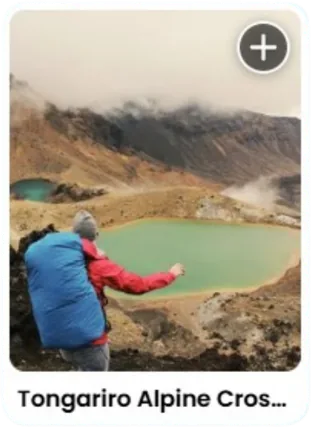
In New Zealand, the number one thing she can't believe she hasn't done is the Tongariro Alpine Crossing. Like so many people, she's gone to do it several times and been stopped by the weather. And she was hoping to get out to Welcome Flat Hut on the West Coast before winter ended.
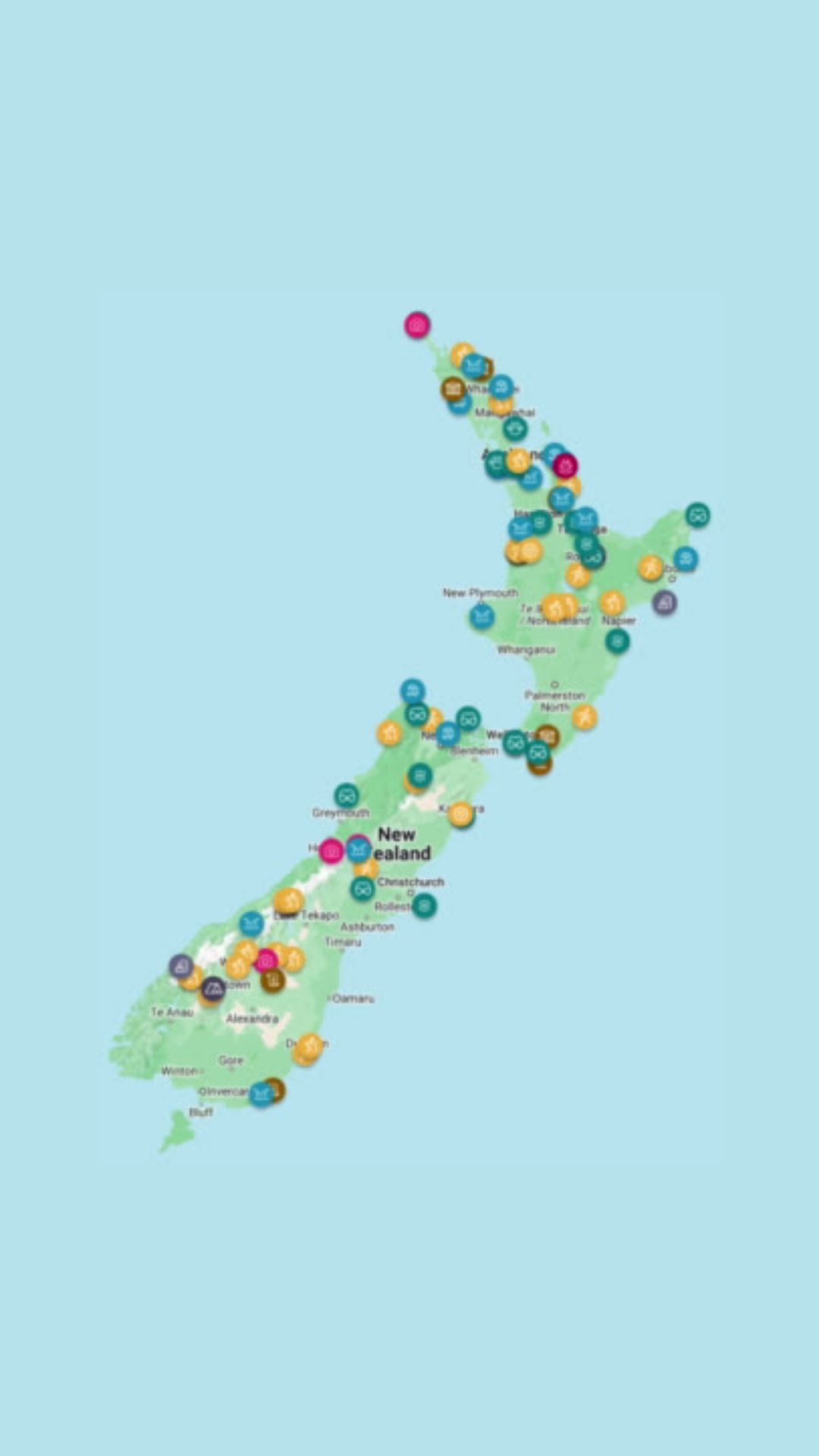
Places from this episode
- Balclutha
- Mangōnui
- Nelson
- Tākaka
- Sumner
- Northland
- Waitangi Treaty Grounds
- Hokianga Harbour
- Waipoua Forest
- Rotorua
- Whirinaki Forest
- Murupara
- Bay of Plenty
- Waiuta
- Greymouth
- West Coast
- Tongariro Alpine Crossing
- Welcome Flat Hut
Follow Jessica
Jessica's work is at lonelyplanet.com and on Lonely Planet's socials (@lonelyplanet), and she shares her own travels on her personal Instagram.
Links from this episode
- Follow Jessica on Instagram: instagram.com/wynnelockhart
- Shop Lonely Planet NZ
- Follow Abigail on Instagram: instagram.com/abigailhannnah
- Follow Aotearoa Adventures on Instagram: instagram.com/aotearoa_adventures_
More like this
- Falling in Love with New Zealand with Travel Blogger Tara Tavener
- Living, Working and Travelling in NZ as an Expat with Justine Jehanno
- Slow Travel in an EV and Catlins, Dunedin and Oamaru with Mature Flâneur Tim Ward
- Four Years of Aotearoa Adventures and No Home Address with Host Abigail Hannah
Until then, keep adventuring :)
The ultimate
NZ road trip adventure guide
Packed with insider tips and stunning photography, this is the only resource you need to plan your journey.