Episode 107
Learning to Freedive, Spearfish and Building Community with Renee Taylor

Episode 107
Learning to Freedive, Spearfish and Building Community with Renee Taylor
Spotify Apple Podcasts Everywhere else Download
I first came across freediving through photography. Photos of people floating underwater, no tanks, no bubbles, and they looked so so magical. So I was really really excited to sit down with Renee Taylor.
Renee is the founder of Salt Aotearoa, which runs freediving experiences for wāhine. It started as a community to get women in the water, and it's grown into a freediving centre with its own team of instructors. She's also a speech and language therapist, which means two full-time jobs (I know a little bit about the side hustle that takes over).
And here's what I love most. Renee didn't grow up by the sea. She came to all of this as an adult, in her 30s.
So we cover what freediving is and how it feels, her first kingfish (a day with sharks, a bent spear and a sunburn in a very unfortunate place), the safety side, the scariest moment she's had in the water and where to freedive around Aotearoa. Plus her advice if you're keen to start. I'm keen. Mostly.
In this episode
- From city kid to freediving instructor
- What freediving is and how it feels
- Spearfishing her first kingfish on the Coromandel
- Freediving safety, courses and certification
- Boat traffic and why you always dive with a buddy
- Where to freedive in Aotearoa
- Getting started and what's next for Salt Aotearoa
From city kid to freediving instructor
Renee was born in Taranaki and grew up in Auckland. Her family are city people, not very adventurous, so she calls herself the odd one out. She went to uni, travelled a bit and became a speech and language therapist.
She always liked the water, but that meant a pool, because they lived in the city. In her late 20s she learned to scuba dive and found it clunky and loud, with a lot of barriers: it's expensive, you need all the gear, and breathing underwater doesn't feel natural to her.
Then she found freediving. A couple of sessions at the Auckland Freediving Club, then following friends who were spearos out into the water, and she was obsessed. That was about five years before we recorded. She'd drive to the coast on early weekend mornings for shore dives, or jump on boats with people she knew.
When she started posting it on Instagram, so many women messaged to say they'd always love to do this. So she started an Instagram page with some friends, and it grew and grew. There have been setbacks, and times she's had to stop, and she's battled hard to keep it going, funding it through her other career. These days she lives in a tiny town by the beach on the Coromandel Peninsula with her partner, the saltiest sea dog you'll ever meet.
I grew up in a huge city too, an overnight train from the nearest coastline, so I appreciate the ocean so much here. And I loved hearing that Renee found all this in her 30s, because there's so much pressure in your 20s to have it all figured out.
Renee agrees: you've got so much time, so do everything you want to do.
What freediving is and how it feels
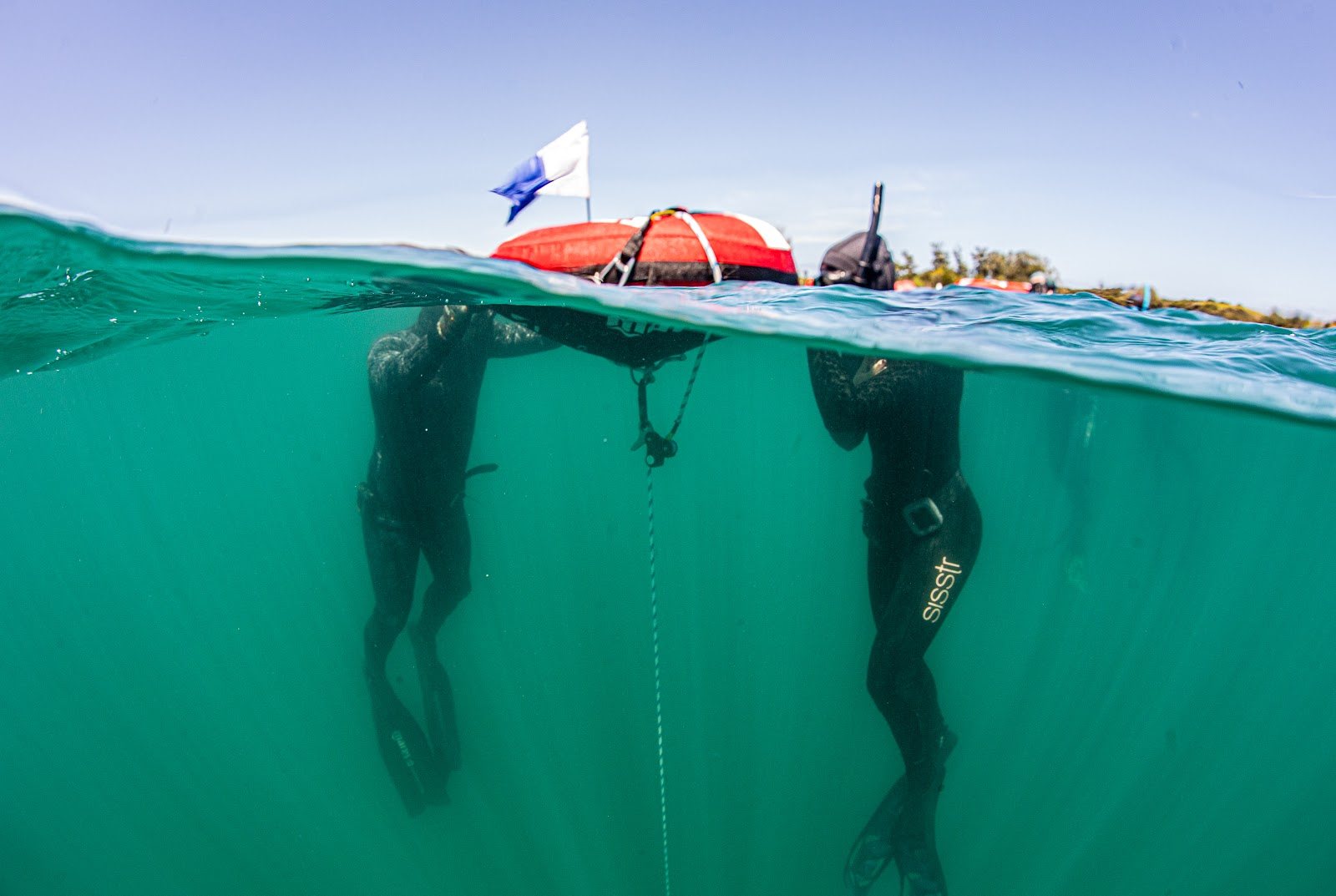
Renee says the name says it all: it's very freeing. You dive on a single breath, and the only kit is a wetsuit (always, in New Zealand), fins and a weight belt.
The premise is mindfulness and relaxation. A good breath hold needs a lower heart rate, and that needs you present and relaxed. So the real work is the breathe-up at the surface, with diaphragmatic breathing like in yoga. Once you're in that Zen mode, you take your final breath, dive down and enjoy the ocean, and the more relaxed you are, the longer you can stay down.
It also feels natural because of the mammalian dive reflex, which every human and every marine mammal has. Receptors on your face respond to cold water, your heart rate drops, your blood shifts, and your body prepares itself to be in the water. Your body knows, as Renee puts it.
She thinks people with active minds are drawn to it. She has 10 things going on in her head at once, and the ocean is where it chills out:
"For me, it's the only place where my brain actually kind of can shut that background noise, that constant chatter in my head"
How long it takes to learn is different for everyone, and from what Renee has seen it's mostly mental. Freediving brings up stuff people may not know they're carrying, and equalising problems can come from mental barriers when nothing is physically wrong. Even if you never get in the water, she reckons a breath-hold course is worth doing for the breathing and relaxation techniques. And lakes and rivers are just as healing as the sea.
Spearfishing her first kingfish on the Coromandel
Renee's most memorable day in the water was spearfishing her first kingfish, and it's the whole adventure around it that makes the memory.
She was living in Tairua, and a friend with a boat would take her out. He was really experienced and happy to teach newbies in a safe environment, and she's so grateful to him. They'd decided this was the day.
Castle Rock and the sharks
First stop was Castle Rock, beautiful but quite sharky. Classic newbie, Renee was clunky with her gear, and jumping in she caught her wetsuit on the cleat for the rope and ripped a hole right on her bum. A bit of ventilation, she figured.
There were sharks straight away, and kingfish too. Her friend could tell these sharks were quite gnarly, so they moved on. Sharks are generally pretty safe to be around, Renee says, but if there are fish in the water or they're getting erratic, you don't hang around.
The Aldermen Islands
At the Aldermen Islands there were more kingfish and more sharks, mellow ones this time. Renee kept missing. She couldn't load her own gun yet, so her friend reloaded it for her, and he refused to shoot a fish himself because it had to be hers.
Finally she got one, right in the gut, about the worst place to spear them. It was flapping and strong, and when she called for help, her friend told her she could do this herself. She pulled it in fast, he showed her how to dispatch it quickly, and she swam back to the boat like never before.
Later they found her shaft had been bent, which was why she kept missing. And a few days on, a friend asked about the brown patch on her bum: a sunburn in the exact shape of the hole in her wetsuit.
Her friend from the boat then taught her to fillet it, and that day sealed her love of hunting your own food, cooking it and eating it. Watching other women have that experience now is the coolest thing, because you can never relive your firsts. So at Salt she encourages people to stop chasing the photo with the fish:
"So just take your time and enjoy being the learner, be a beginner as long as you can because that's the best part."
I love that her friend could read the sharks. My husband does whitewater kayaking, and reading a river is an absolute mystery to me. It's the same with surfing and paragliding.
That's the cool thing about learning with others, Renee says. You always dive with a buddy, so friends, a club or a group can show you the ropes. The people she followed around were mainly men, because it's a male-dominated sport, and that's a big part of why she started Salt Aotearoa: so many women wanted to get into it, with no avenue yet.
Freediving safety, courses and certification
With freediving so popular, Renee feels a sense of responsibility. She's telling women to take the plunge, and freediving and spearfishing can be dangerous. In her view, people are buying gear (maybe the wrong gear) and getting in with no training. That didn't sit well with her, so she became an instructor, and now has a team running proper courses.
Do you need a certificate to freedive?
Technically, no. Scuba generally needs a certification just to rent tanks and gear, and nothing like that exists for freediving. Renee says there's a lot of old-school thinking (my dad taught me), and some old ways of freediving are incredibly risky. She's met people who've dived for ages with no idea about shallow water blackout, one of the risks that can lead to drowning.
Salt's approach:
- Learn to freedive first, with a course or a club.
- Then learn to spearfish, with Salt or a friend who knows what they're doing.
- Same for underwater photography, so you're only thinking about your camera.
Diving up and down a line uses different techniques to hunting, where you're moving, being stealthy and fighting a fish. Skip the freediving and you're learning two brand new things at once.
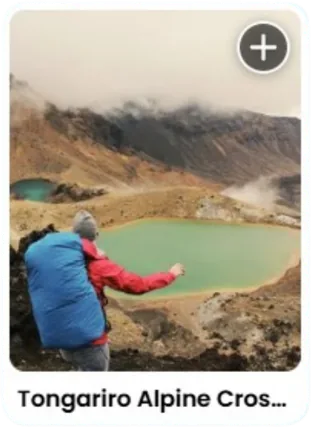
It reminds me of tramping, where the barrier to entry is low too. Plenty of people do the Tongariro Alpine Crossing without the right gear, or without realising it's an alpine environment where the weather changes so quickly.
Boat traffic and why you always dive with a buddy
For Renee, the most dangerous thing in freediving is boats, especially on busy summer days. Underwater you can hear an engine from far away, but you can't tell where it is or how close.
On one dive she heard an engine and stayed down, waiting for it to pass over her. In hindsight, she thinks she should have come straight up. It was coming straight for her, and she ran out of air before it passed.
She'd done everything right: near structure, a float and a line, a pink gun so she could be seen, in a spot where boats were supposed to go slowly. She came up as slowly as she could, gun first, and the boat sped right past her face. She screamed, the young people on board screamed, and they kept going. She remembers crying into her mask, and she still gets triggered by engines. Give her the sharks any day.
Her dive buddy had kept swimming off that day, leaving her alone. A buddy at the surface could have signalled the boat. Her take-home message:
"if you have a dive buddy and you black out you can get rescued if you have a dive buddy and there's a boat they can wave them down you know like dive buddies can save your life"
Where to freedive in Aotearoa
Renee says we're so lucky with places to dive. Shore diving off a beach works anywhere with good visibility and calm water.
- Up north, really tropical, beautiful water.
- Down south, cold, with big kelp forests and beautiful hues.
- Goat Island Marine Reserve, north of Auckland, where she used to practise.
- The Poor Knights, a beautiful marine reserve off the Tutukākā Coast.
- The Coromandel, where Salt dives.
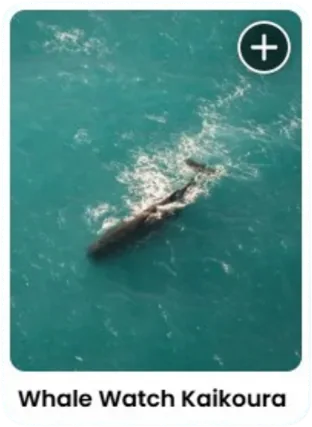
- Kaikōura, which she calls amazing.
- The West Coast, which is gnarly.
There are some nice lakes, but very few are good for proper diving. Lucky we have so much coastline.
Getting started and what's next for Salt Aotearoa
Renee's advice:
- Do a course. Invest in yourself.
- Invest in proper gear.
- Find your people: a club, a group, or Salt's camps and courses.
- Put in time in the water.
Don't rush it, and don't be disheartened when you can't hold your breath for long or don't shoot the fish. It'll come, and the days you learn the most are the ones you shoot nothing at all.
Her partner does much the same for everyone, mostly men, and when we recorded they were joining forces to take lots of people out from the Coromandel that summer. Their own backyard comes first, and she has a trip to Rarotonga planned for next winter, which she says will be really cool for the girls.
I used to be really scared of the ocean, until my husband talked me into scuba. He's scared of heights, so we made a pact: he came up in a glass box way up high with me, and I went scuba diving. It's growing on me, and after this chat I'm super keen to try freediving.
Places from this episode
- Coromandel Peninsula
- Tairua
- Castle Rock
- Aldermen Islands
- Goat Island Marine Reserve
- Poor Knights
- Tutukākā Coast
- Kaikōura
- West Coast
- Auckland
Follow Renee
- Instagram: @saltaotearoa
- Website: saltaotearoa.co.nz
Links from this episode
- Follow Renee on Instagram: instagram.com/saltaotearoa
- www.saltaotearoa.co.nz
- Follow Abigail on Instagram: instagram.com/abigailhannnah
- Follow Aotearoa Adventures on Instagram: instagram.com/aotearoa_adventures_
More like this
- Scuba Diving in Wellington and Motorbikes with Tyla Bow
- Empowering Kiwi Women in Hunting & Fishing with Wild Chix Isabell Zitzelsberger
- Ultra-Swimming and 11 Hours to Swim Across the Cook Strait with Ivan Polyntcev
- Crossing the Cook Strait on a Paddleboard and Surf Lifesaving with Britt Spencer
Until then, keep adventuring :)
The ultimate
NZ road trip adventure guide
Packed with insider tips and stunning photography, this is the only resource you need to plan your journey.