Spotify Apple Podcasts Everywhere else Download
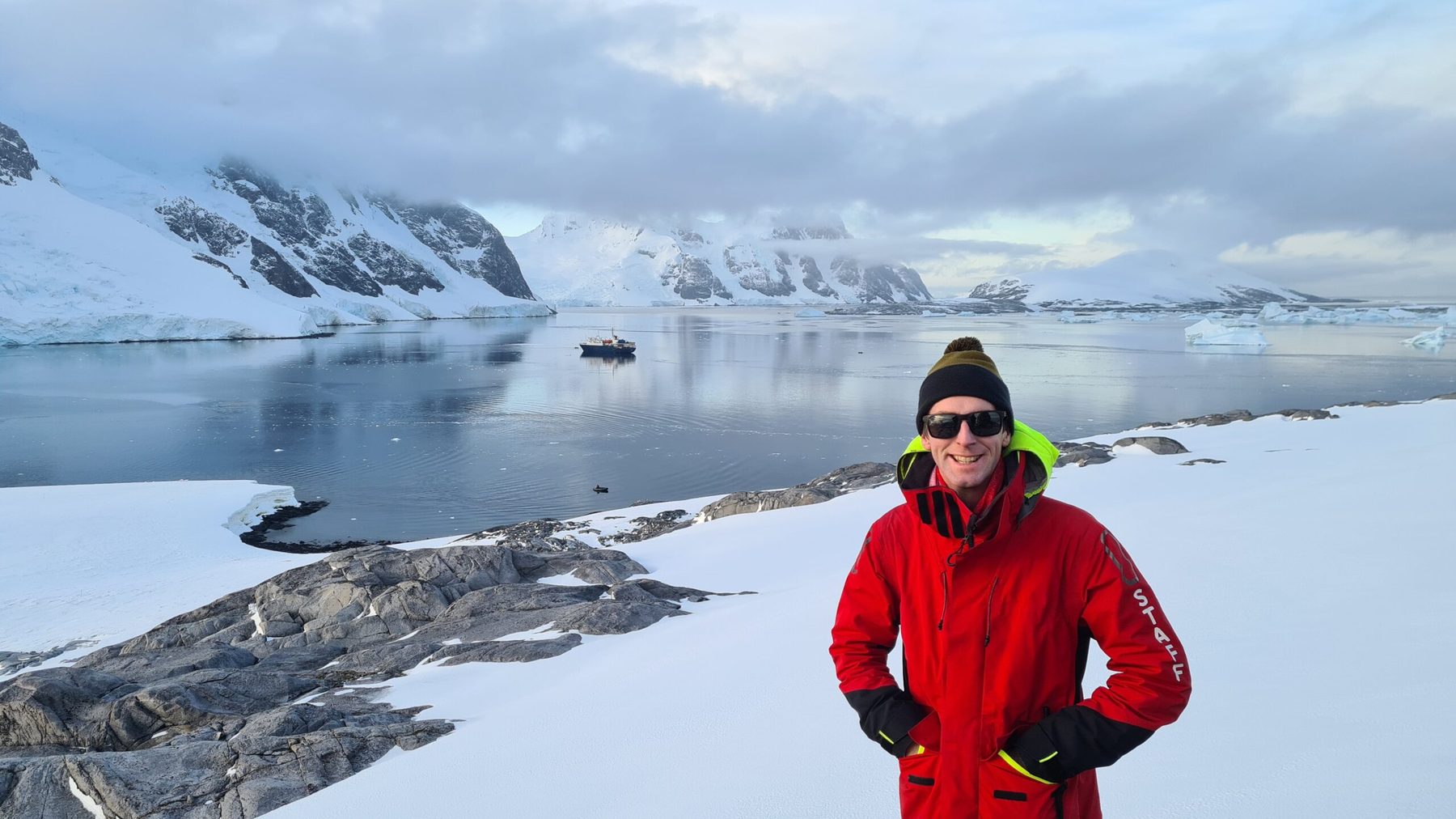
I was nodding along through this whole chat. Chris's childhood is about as far from a normal Kiwi upbringing as you can get (and about as far from mine as you can get, too), and I loved hearing his story.
Chris Long grew up at Gorge River, a tiny spot on the wild coast of South Westland, 42 kilometres from the nearest road. He spent the first 17 years of his life there, learning how to grow a garden, look after the fish stocks and cross a river safely. Then he left the bush and drifted towards some of the most far-flung places on earth, including Antarctica, where he works as an expedition guide.
But bits of it were sooo relatable. I grew up in India, so when people ask what my childhood was like, it's a tricky question, because it was normal to me. Chris gets that completely.
So we cover how his family came to live at Gorge River, the five-day walk out to Haast, homeschooling and a very big first day at school, a typical day in the bush, saying yes to adventures around the world, a storm in the Southern Ocean and how you can get to Antarctica yourself.
In this episode
- Growing up at Gorge River
- Walking out to Haast
- Homeschooling and a year at school in Wānaka
- A typical day at Gorge River
- Living off the land and taking only what you need
- Saying yes to adventures around the world
- Expedition guiding in Antarctica
- Raising kids wild, and The Boy from Gorge River
Growing up at Gorge River
Gorge River is south of Haast and north of Milford Sound, about 42 kilometres from the closest road. Chris paints the picture: a little house right next to a river that flows out of the rainforest, all the way from the snowy peaks to the Southern Ocean crashing onto the coast. There's no real human civilisation, so you can drink from the stream and spend a long time out there without seeing any other sign of people.
Chris was born near Arrowtown, and as a baby he flew over the Southern Alps in a small plane and landed at Gorge River with his family.
It started with his dad. Back in the late 70s, he wanted to live off the land, more sustainably and with less impact on the world. That way of life drew a lot of criticism near other towns and people, so he went somewhere no one else was. He found an abandoned hut in South Westland, left by a fisherman who hadn't managed to make a living from crayfish, and the locals along the coast told him he may as well move in. He lived there by himself for ten years, happy as.
Then he met Chris's mum, who was hiking along the coast. Together they wanted to raise a family living off the land, away from television and modern technology. Chris came along, and then his sister.
Living on the West Coast, you're always doing maintenance: wood rots, corrugated iron rusts, things break. Over the years they've rebuilt most of the house, one wall at a time, mostly with timber that washed up on the beach. Chris remembers helping his dad hammer in the nails as a kid, matching bits of driftwood together to make a relatively flat floor.
Walking out to Haast
The family went out to "town" twice a year. Town was Haast, the first town you reach, with about 350 people. From there, they'd head over to Wānaka and Queenstown, then fly back home.
Getting to Haast meant walking. Chris was three and a half when his sister was born, too heavy to be carried, so he walked the whole way.
Here's the route as he describes it:
- The boulder beach. Most of it is boulders from the size of a watermelon up to the size of a couch, and you're jumping from rock to rock, with a couple of short sections of sand.
- The four-wheel-drive track. The second half follows a very rough, muddy track through the forest, past massive rimu and kahikatea trees. A beautiful hike.
- The river crossing. It finishes with a river about 55 metres wide and thigh deep, and that's on a good day when it hasn't been raining. In winter, with snowmelt, it's freezing.
Once his sister was three and a half and wanted to walk too, the trip took them about five days. Chris loved it. He'd skip along counting penguins, not a care in the world. For him, walking on the boulders was a normal thing to do.
That's what I mean about my own childhood in India: you have no frame of reference, because it's all you've ever known. You probably couldn't find two childhoods further apart than remote New Zealand and the bustling cities of India.
Homeschooling and a year at school in Wānaka
For the first half of his schooling, Chris was taught at home by his parents. That included learning the ways of the wilderness: making a new compost heap, how a river flows, how to cross a river safely. He was still studying the wider world from books, too, learning about Antarctica and making a book of all the countries in the world. It's hard to put a value on those lessons, and they've served him very well through life.
For secondary school he studied with the Correspondence School, so academically he was at the same level as everyone else. When he went to school in Wānaka for his final year (his sister did the same), the academic side was easy.
Adapting socially was a whole different story. Imagine walking into a school of 600 students when you've never been to a normal school for more than two or three days. It was one of the craziest experiences of Chris's life. Within a couple of weeks it felt normal, and by the end of Year 13 he felt part of it.
The other students welcomed him with open arms, curious about the kid from the bush. Chris made a philosophy of saying yes to everything (within reason), from trying out for a rugby team to standing for student council. He wasn't overly talkative yet, but people picked up that he was giving it a go, and they included him.
A typical day at Gorge River
Days at Gorge River start a little later than normal. The house is on the west side of the Southern Alps, so the sun rises late and the mornings are cold. His parents would get up and light the fire, and once the house had warmed up, the kids would get up for breakfast.
Then Chris would head outside, down to the river or along the airstrip, watching the ocean and dreaming of the fish he'd catch, or of crewing on the fishing boats going past, or flying the helicopter or plane overhead.
Schoolwork meant being inside, so he didn't love it, though he enjoyed learning. Sometimes he'd get the whole year's work at once, so he'd do the exciting lessons first and save the boring ones for the end of the year, and do more schoolwork on rainy days to keep sunny days free for fishing. He was totally mad about fishing, and later, as a teenager, possum hunting and whitebaiting.
Lunch was salad from the garden or leftover fish, always with his mum's freshly baked bread. Just before dinner, Chris would go fishing, and in summer it didn't get dark until ten o'clock, so dinner was very late. They always ate together: mostly vegetables from the garden, with yellow-eyed mullet, kahawai, pāua or a crayfish if the weather was nice enough to go free diving. Then a book, read by solar-powered light, and bed.
I'm definitely not a morning person, so those late starts sound like a dream to me.
Living off the land and taking only what you need
Chris learned how to grow a garden, which takes a lot of work down the West Coast, where it's so wet nothing wants to grow. He still asks his mum for advice.
The other lesson he thinks is really important today is managing your food supply, especially fish stocks. Much of what the family ate was fish, and they relied on it. In the modern world, if there are five pāua on a rock, people often take five. Chris points out that if you're living off the land and you keep doing that, one day you'll go there and there'll be none, and you literally starve. Most of us have so many lines of insurance, like the supermarket, that taking until there's none left doesn't have such high consequences.
So he learned to take one, then keep looking. Next time, there'd most likely be four or five on the rock again. To this day, the fish stocks around home are the same as they ever were.
The crayfish are the exception: there are a huge amount more, which Chris puts down to the quota management system on New Zealand's crayfish. When he was young there were very few. The last time he was home, at Christmas:
"I found crayfish in a rock pool where I used to go swimming as a five year old and that was the most amazing feeling."
Saying yes to adventures around the world
Fitting into the modern world took Chris a couple of years, and there were some massive challenges to overcome. But once he'd adapted, there was nothing holding him back. He was as comfortable in the wild, the wind and the cold as he was living in a town like Dunedin, Wānaka or Auckland.
Without ever planning it, he drifted towards isolated, far-flung places. There was backpacking around Southeast Asia, Europe and North America. Then came the jobs: expedition guiding in Antarctica, working in Norway, and volunteering on a yacht sailing the Northwest Passage in the Arctic. He heard about that one when the boat was leaving in two weeks, and knew he could never live with himself if he said no. Life is short, and there's so much to see.
His advice for younger listeners:
"There is so much to be gained from getting a working holiday visa for a random country that you've never heard of before."
Living there, making friends and earning the local money in a local job, that's where Chris reckons you'll have the most amazing experiences.
Expedition guiding in Antarctica
Chris has worked at Scott Base and on expedition ships in Antarctica. The summer before we recorded, about a month before it left, he was offered a job as an expedition guide on a ship sailing from South America down to Antarctica, around to the Ross Sea and north to New Zealand, with 80 paying passengers. They changed passengers at Bluff and did the same trip in reverse. It was a job he'd dreamed of for many years.
A storm in the Southern Ocean
On the second voyage, heading south from New Zealand, they crossed the Southern Ocean, the wildest ocean on earth. South of Campbell Island, about 700 kilometres south of New Zealand, they went straight through a really huge storm, with waves of 12 to 15 metres pitching at the ship. The ship was solid. The people inside were the weakness. It was hard to walk, hard to stand up and hard to keep your lunch down. One massive wave smashed the dining room, and Chris spent about half an hour sweeping up glass.
Pancake ice
Then they reached Antarctica, the most beautiful place on earth, partly because of what you've been through to get there. It was March, the end of summer and getting cold. One day they watched the ocean around them turn from water into pancake ice, little circles from the size of a big pancake to a dinner plate, and by the end of the day they were freezing together. The ocean was becoming solid behind them. Something he'll never forget.
Antarctica was never on my bucket list. But hearing Chris talk about it, I want to go now.
Chris says no one goes to Antarctica without being pushed out of their comfort zone, the ship's captain included. As a guide, with a lot of responsibility, operating outside it is part of the job.
How to get to Antarctica
There are two ways: go as a tourist, or work there.
- As a tourist, when we recorded, it cost several hundred to over a thousand New Zealand dollars a day on a ship. Most trips leave from South America, and they're the easier, cheaper ones. Trips from New Zealand are rare, with a couple each year, and they're solid expeditions of at least 30 days on a ship.
- For work, check whether your country has a base down there (New Zealand does) and which roles it has, then upskill towards one, which can take several years. The ships need staff too: guides who can drive a boat and give informative lectures, people serving food and wine, and engineers.
A couple of years ago I met someone who'd worked at one of the bases, which got me thinking you don't even have to be super skilled: you can clean toilets at a base and that'll get you there.
Chris says cleaning is one way in, and people who do it are usually the most qualified cleaners you'll ever find. His reason for encouraging people to go:
"everyone who goes to Antarctica they leave as an ambassador they want to look after that place."
Raising kids wild, and The Boy from Gorge River
Would Chris recommend his upbringing to parents? Absolutely. It was so rewarding, and he feels lucky to have skills most people in the modern world don't. You don't have to go as extreme as Gorge River. You could head into the wilderness on your summer holidays, or grow a little vegetable garden at your townhouse and feel the satisfaction of producing some of your own food. Or, like his dad, you could find the place where no one else wants to be, and have the freedom to live the way you want.
His parents still live at Gorge River, and Chris spent Christmas there with them. You could not find someone happier than his dad is there.
Chris has written it all down in his book, The Boy from Gorge River. It's a timeline of growing up in the wilderness, what he learned about making and fixing things, the big decision to leave home, and the adventures since, with the second half of the book a chapter per adventure, from Antarctica to Norway. When we recorded, it was in most bookstores in New Zealand, and in North America and Europe too.
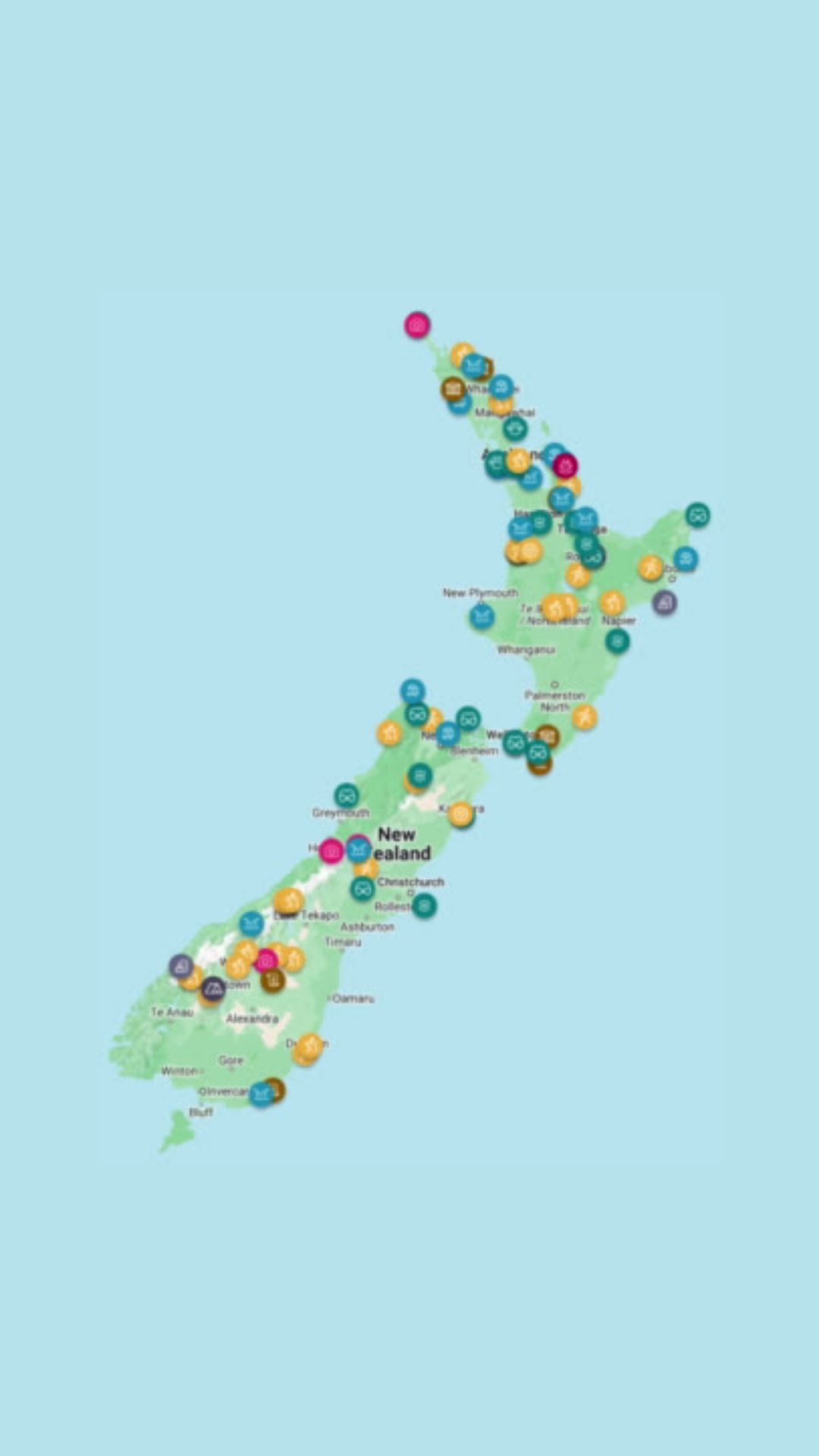
Places from this episode
- Gorge River
- South Westland
- Haast
- Milford Sound
- Arrowtown
- Southern Alps
- West Coast
- Wānaka
- Queenstown
- Dunedin
- Auckland
- Bluff
- Campbell Island
- Southern Ocean
- Ross Sea
- Scott Base
Follow Chris
Chris shares his adventures as Wild Kiwi Adventurer on YouTube, where he has over 100 videos (Antarctica, Norway and Gorge River included), and on Instagram and Facebook. His book is The Boy from Gorge River.
More like this
- Conservation and Lessons from the Bush with Bushman Sam the Trap Man
- A Sea Kayaking Expedition Along the Fiordland Coast with Mark Jones
- Packrafting the Landsborough River from the West Coast with Tom Waters
- Ski-Touring and Camping on Tasman Glacier in a Storm with Helena Sodergren
Until then, keep adventuring :)
The ultimate
NZ road trip adventure guide
Packed with insider tips and stunning photography, this is the only resource you need to plan your journey.