Episode 134
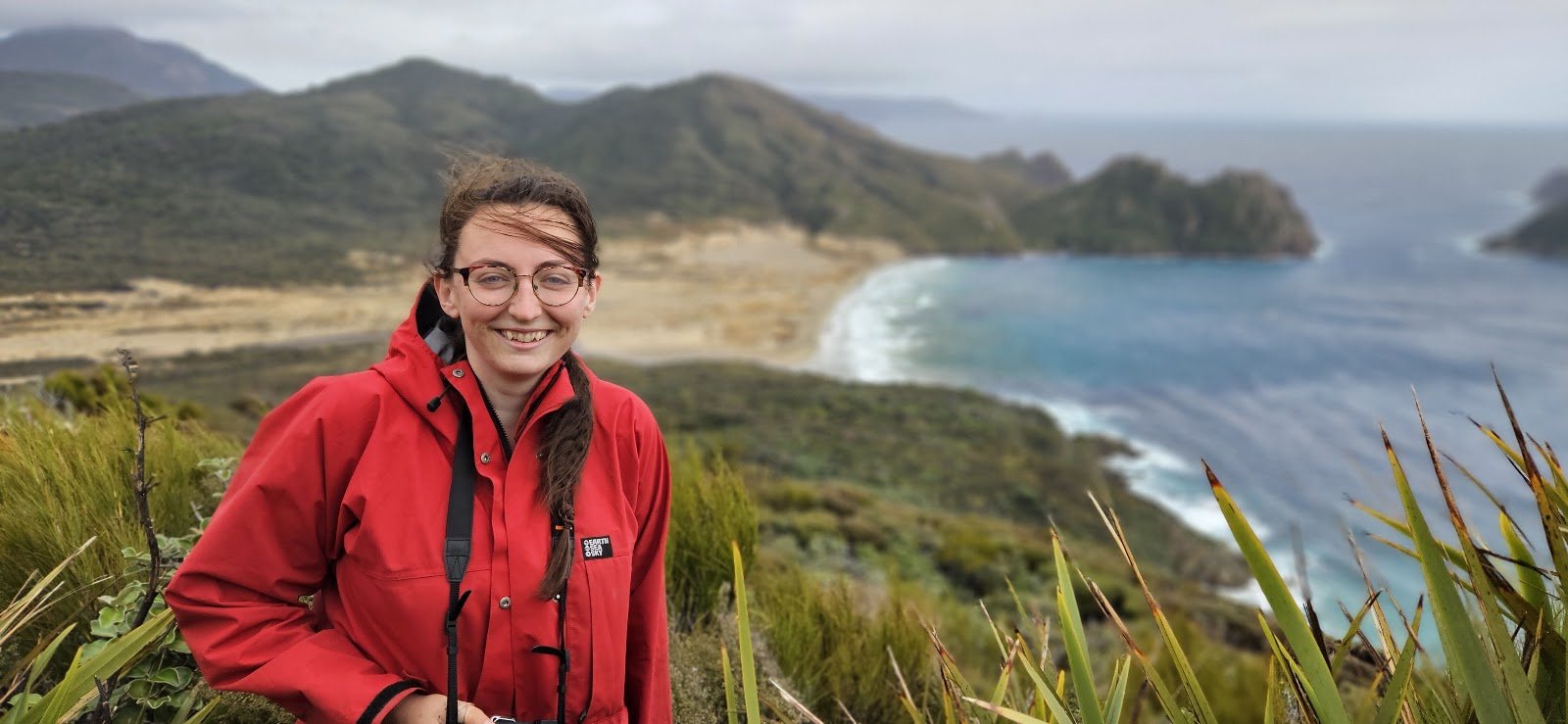
Three Months of Road Trips and Hut Bagging in the South Island with Sophie Wakelin

Episode 134
Three Months of Road Trips and Hut Bagging in the South Island with Sophie Wakelin
Spotify Apple Podcasts Everywhere else Download
I was so excited to talk to Sophie, because she had a massive mission over summer. She quit her job, jumped in the car and bagged 67 huts around the South Island in about three months. Sixty-seven!
Sophie is a doctor based in Wellington, and in her own words an avid tramper, hut bagger, topo map geek and bird lover. Anyone who knows her knows she cannot stop talking about tramping, and she has a borderline encyclopaedic knowledge of New Zealand's huts and tracks. So, yes, a bit obsessed (my favourite kind of guest).
This post covers how she got into tramping, planning the trip, living out of a car, her top three huts (including her all-time favourite, which I'd never heard of), turning back when it doesn't feel right, hut passes, building confidence to tramp solo, and where to bag a pile of huts in 10 days.
In this episode
- How Sophie got into tramping
- Quitting to tramp for three months
- Planning the trip and living out of the car
- Sefton Bivouac and French Ridge Hut
- Mataketake Hut, her favourite hut of all time
- Hut passes, campsites and navigation
- Building confidence for solo tramping
- Where to bag huts in 10 days
How Sophie got into tramping
Sophie was born in New Zealand, but her family moved to the United States when she was one, so she did very little tramping as a kid. What she did have was a small Montessori primary school whose playground was a forest, where they were encouraged to run wild, play in the mud and identify plants, bugs and animals.
She moved back to New Zealand at 15. Her first real tramp was the Tongariro Crossing, in the middle of a storm with 80 kilometre an hour winds. They turned around at the top of Red Crater, and she still had a lot of fun.
Then a Duke of Ed tramp to Whatipū in the Waitākere Ranges, on the Omanawanui Track and in the Karamatura Valley, started the obsession.
Clubs, friends and Outward Bound
At university she joined the Auckland University Tramping Club, but felt self-conscious next to people who'd tramped since they were kids. Then she met friends at medical school who felt the same, and they bumbled through more and more overnight tramps, learning from lots of mistakes (one winter they smoked out Rangiwahia Hut).
The turning point was Outward Bound, at the end of her third year, which she highly recommends. As soon as she got back, she booked a solo trip to Great Barrier Island, tramping to Mount Heale Hut and around. Realising she wasn't going to die on her own gave her so much confidence, and she's been kind of unstoppable since.
Quitting to tramp for three months
To get three months off as a doctor, Sophie quit her job, which is basically the only way. Doctors work 50 to 60 hours a week on average, so there's little free time. After two years of hard work since graduating, she ripped the plaster off and took the whole year off, which helps a lot with burnout too.
Within about six days of her last day, she was on the first tramp in Nelson Lakes, with her partner along for the start. It was very frantic.
Planning the trip and living out of the car
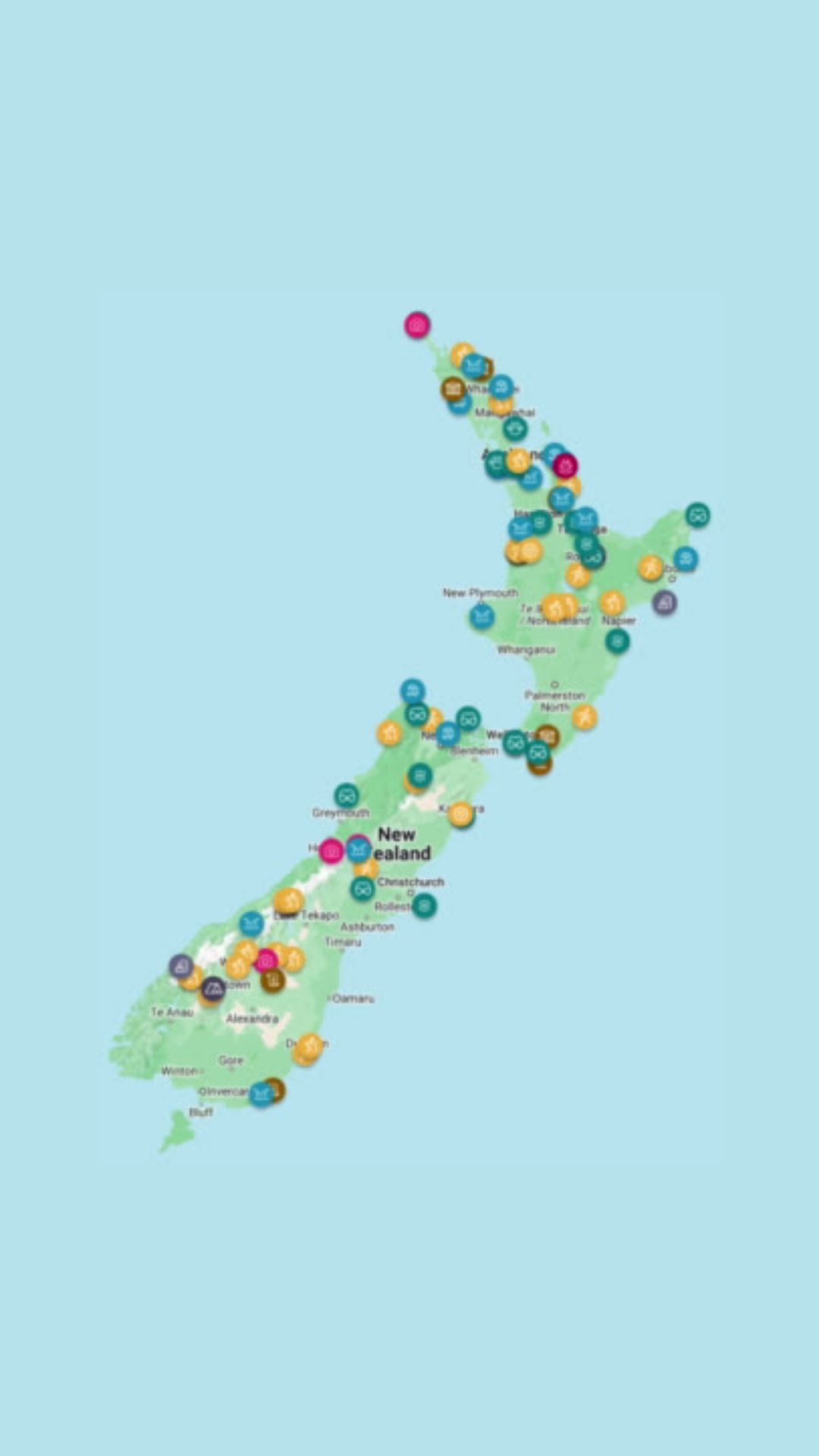
Planning got Sophie through her last stressful months at work. She pinned about 120 tramps on a Google map (optimistic) and wrote out a day-by-day plan with no rest days, so she was derailed very quickly.
The rough plan was to zigzag down the South Island, with two fixed dates: the Kepler with friends at the beginning of March, and Stewart Island with family at the end. Weather and visiting friends kept her rearranging, and unplanned rest days happened anyway.
Her stats: 67 huts, about 750 kilometres, 32,000 metres of climbing, a longest solo tramp of five days and a longest tramp of 11 days, on Stewart Island.
Choosing the huts and finger tramping
The main goal was bagging as many huts as possible, because she loves huts. She picked a couple from each park for a spread of terrain, mostly front country because she was mostly solo, and leant towards loops back to her car.
A lot of it came from finger tramping: following tracks on a topo map with your finger and picturing what they'd look like. Sophie does it for fun, sometimes on her phone at parties, to her boyfriend's annoyance.
Sleeping in the car and resupplying
Between tramps she slept on an air mattress in the back of a borrowed SUV. She never built the insert to make it level, so metal loops jammed into her back and she never slept well there. Otherwise it was DOC campsites, and a motel now and then for a shower and washing.
She usually carried a week of food, refilling from a big box of dehydrated meals and a bag of oats in the boot.
Sefton Bivouac and French Ridge Hut
Sefton Bivouac, Aoraki Mount Cook National Park
Sophie's number three is Sefton Bivouac in Aoraki Mount Cook National Park: a cute little orange bivvy with a beautiful view and the glacier right there. She was pretty scared about it beforehand:
"absolutely love that hut and I was so proud of myself for getting up there because I actually was pretty scared initially"
It's an off-track route with cairns the whole way, straight up, with a couple of sketchy scrambles at the top that were worse coming down. There were about 20 people there and rain was coming, so she went back down the same day. In summer it's not too bad. In winter it gets very icy, and she wouldn't attempt it without proper experience.
I've walked the Hooker Valley plenty of times, and if you look really, really hard, you can just about see Sefton Bivouac up there.
French Ridge Hut, Matukituki Valley
Number two is French Ridge Hut in the Matukituki Valley, long on her bucket list. Sophie loves the really rooty climb up, which is brutal and so worth it, with amazing views, a cute hut, usually lots of kea and, on a clear night, a million stars.
I have a love-hate thing with that kind of track. You gain altitude really quickly and you know there'll be a good view at the top, but it's brutal.
Mataketake Hut, her favourite hut of all time
Sophie's number one is Mataketake Hut on the West Coast, near Haast, a new hut from 2021. Its other name is the Andy Dennis Memorial Hut, after a conservationist, and there's a little plaque to him. He donated his library too, so all his books are in the hut.
The track starts at Paringa, about 40 minutes' drive north of Haast, on the Haast to Paringa Cattle Track, the old road and only access to Haast before the Haast Pass road was built.
Turning back the first time
It took Sophie two goes. With so much time alone, she struggled with self-doubt a couple of times on the trip, and she wasn't in a good headspace that day.
At Blowfly Hut, about an hour from the road, a note warned of an impassable, dangerous slip further on. Neither the DOC alerts nor the Tramping in New Zealand Facebook page had mentioned it. Other hut book notes said people had got through, so she kept going, but she started to panic about getting stuck past it in the dark, with all the tree fall and erosion. So she walked out and stayed in a motel in Haast to soothe her fears.
Two weeks later, someone posted on Facebook that they couldn't even tell where the slip was. She went back, and it was totally doable: a shimmy down on her bum into a stream. As she sees it:
"… ultimate goal for me is always to come home. It's not to reach the peak."
She's out there to enjoy herself and refill her soul, which she can't do while panicking.
I think it's so important to listen to that intuition. When safety is the issue, you can always come back later.
Getting up-to-date track information
Stream crossings here rise quickly in rain, and a friend of Sophie's later found the slip impassable, so it's a changing landscape. The DOC alert turned out to be on the pack track page, and she'd checked the hut and route pages. You have to check all three.
Her tips for current track information:
- Pull from multiple sources. Start with the DOC website.
- Call the DOC visitor centre for the region. The Haast Visitor Centre did know about the slip.
- Use the Facebook groups. People post track damage from places they've just been, and you can ask.
Why it's number one
The hut is everything Sophie loves about tramping. It's perched on a ridge among tarns, looking out to the coast for a West Coast sunset, and on a good day to Mount Cook and the Southern Alps. The recommended way up is along the pack track and up at the last minute, because the ridge can be hard to navigate in low visibility. She stretched it out with a night at Māori Saddle Hut, a very cute hut.
On a bad day it's cosy, with a stove that works really well, the library, eight bunks and good yarns. Plus kea causing mischief.
It's an advanced track. On her second trip she reached Māori Saddle Hut in about four hours, then another hour and a half to Mataketake. A French couple took eight and a half hours to Māori Saddle Hut because they got so lost in the tree fall. The gradient is easy until the tops, so it's the lack of maintenance that makes it advanced. For the tops route, pick good visibility and know how to navigate, with a compass or GPS topo maps.
Hut passes, campsites and navigation
The Backcountry Hut Pass
Sophie calls the Backcountry Hut Pass great value. She skipped the campsite pass and paid as she went, since some campsites are free and she sometimes used private campgrounds.
We got a hut pass a few summers ago in the top of the South Island, staying in a hut every other night. Worth knowing: the Great Walks and some popular huts, like Mueller Hut and Angelus, are excluded.
Sophie's first tramp of the trip, a seven-day loop of the Travers-Sabine up to Blue Lake, was all huts outside the pass, paid with hut tickets. DOC lists the excluded huts on its website, and she printed it to take with her.
When GPS stops working
On a recent trip to Waikaremoana, the GPS on my Topo Maps app wouldn't show where I was until day four, while my husband's AllTrails app worked fine.
Sophie has had that in deep valleys. Her advice is to practise positional awareness: pinpoint where you are on the map from the terrain features around you, then confirm it with your GPS.
Building confidence for solo tramping
A listener asked how to build confidence for solo tramping. It seems scary, Sophie says, and it's not that bad once you reflect on your own abilities.
- Learn the skills first. Tramp with other people, and learn to read a map and use a compass.
- Start really small. A day walk on your own, an hour or two, learning to be with your own thoughts. Then build up slowly, like training a muscle.
- Make your first overnighter easy. A bookable hut, so you've got a bed and there'll be other people around, on a track well within your ability.
- Take communication. A PLB has been her main comfort. For this trip she also bought an inReach, and twice in a bad headspace (at Mataketake, and at Nina Hut of all places) she could text home that she was scared and hear back that she'd done tramps like this before.
- Journal afterwards. Next time you're scared or tired, you can read your own words back.
- Be kind to yourself. As Sophie puts it:
"it doesn't really matter how experienced you are. You can always have a bad day."
After well over 100 nights in the backcountry, she still panics on easy terrain sometimes. If it happens, don't let it stop you trying again.
My first solo hike was the Old Ghost Road, 85 kilometres over five days. Being alone with my thoughts was fine. My hardest day psychologically was the 25 kilometre day, day four of five, and I knew it would be big and hard. Sophie calls that brave.
Where to bag huts in 10 days
Another listener wanted the best bang for buck with 10 days. Sophie's top three areas:
- Nelson Lakes. The Travers-Sabine has so many huts, with side trips to bag extras like Hopeless Hut.
- Lewis Pass. Good if you're less experienced: the St James Walkway, Lake Daniell and Manson Nicholls Hut, and up to Nina Hut.
- Kahurangi. In the Cobb Valley up to Fenella Hut, you can bag four huts in a couple of hours. Or do the Mount Arthur loop past Salisbury Hut and the Upper and Lower Gridiron shelters, built into the rock with a boulder for one wall.
For more experienced trampers, the huts behind Hokitika look like hut heaven, and Sophie would love to get in there.
What's next for Sophie
Sophie has bagged about 200 huts, a way behind Benjamin Pigott, who had bagged 500 when I had him on. Next for her: the Tararua Range, and Ivory Lake Hut on the West Coast, a former glacier research station, as a summer tramp.
Places from this episode
- Nelson Lakes
- Travers-Sabine
- Hopeless Hut
- Kepler Track
- Stewart Island
- Sefton Bivouac
- Aoraki Mount Cook National Park
- Hooker Valley
- French Ridge Hut
- Matukituki Valley
- Mataketake Hut
- Haast
- Paringa
- Blowfly Hut
- Māori Saddle Hut
- West Coast
- Tongariro Crossing
- Whatipū
- Waitākere Ranges
- Rangiwahia Hut
- Great Barrier Island
- Lewis Pass
- St James Walkway
- Nina Hut
- Kahurangi
- Cobb Valley
- Gridiron shelters
- Hokitika
- Tararua Range
- Ivory Lake Hut
Follow Sophie
- Instagram: @drdr__sophs
Links from this episode
- Follow Sophie on Instagram: instagram.com/dr_sophs/
- Follow Abigail on Instagram: instagram.com/abigailhannnah
- Follow Aotearoa Adventures on Instagram: instagram.com/aotearoa_adventures_
More like this
- Hiking to Barker Hut and Ranking NZ's Best DOC Huts with Chris Lierheimer
- Tramping, Hut Bagging Goals, Cancer and Recovery with Verity Jackson
- Hut Etiquette in DOC Huts and Exploring the Whitcombe Valley with Renee Cadigan
- Tramping Four Epic South Island Hikes in 10 Days with Stacey Walker
Until then, keep adventuring :)
The ultimate
NZ road trip adventure guide
Packed with insider tips and stunning photography, this is the only resource you need to plan your journey.