Episode 121
Avoiding Vanlife Mistakes and Life on the Road in NZ with Tiff and Nathan

Episode 121
Avoiding Vanlife Mistakes and Life on the Road in NZ with Tiff and Nathan
Spotify Apple Podcasts Everywhere else Download
I was so excited for this one, because it's all things van life and all things slow travel, which are basically my two favourite topics. And Tiff and Nathan have learnt a lot of it the hard way.
They're Australians from Western Australia, and they came over to do van life in New Zealand for a bit. It was meant to be two years. It keeps stretching. Together they run The Road Less Written: Nathan does the photography and technical side, and Tiff does the writing and creative side, plus shifts as a radiographer when they need a bit of extra cash.
So we talk about the van that turned out to be a lemon (and how not to buy one), living full time in a motorhome, their favourite bits of Nelson Tasman and the Abel Tasman, and their eco-conscious van life tips. Plus how they make money on the road. And a lot about not showering. Sorry in advance.
In this episode
- From Western Australia to van life in New Zealand
- Buying a van in New Zealand without getting a lemon
- Living in a motorhome and travelling slowly
- Nelson Tasman and Marlborough highlights
- Kayaking and walking the Abel Tasman
- Eco-conscious van life tips
- Where they've been, and tips for a quick trip
- Making money on the road
From Western Australia to van life in New Zealand
The move was Tiff's idea. She's wanted to travel since she was young, and early on she told Nathan they'd have to do a locum stint somewhere. Then COVID threw a spanner in the works. New Zealand was the closest place they could get to and still get back to family if they needed to, and they'd been before and loved it. So why not do van life in New Zealand for a bit?
Nathan didn't travel much growing up. He took his first plane flight at three months old and didn't get on another one until over 20 years later.
They hadn't done any van life in Australia, funnily enough. During COVID, with Western Australia's hard border, they spent a few months road tripping around the state in a little Suzuki Swift, packed to the roof. Unpacking and repacking at all the little hostels and tiny places they stayed convinced them: they wanted to be in a van.
Space becomes such a premium. Our first van was a really small Delica, where getting changed meant lying on your back and shimmying into your jeans. Now we've got a high-roof Toyota Hiace and I can stand up to put my pants on. Such a luxury.
Tiff and Nathan decided early that they needed a van they could stand up in and cook in when it rained. They wanted to travel consciously, and they didn't want to be the van lifers chucking their wastewater out in the bush.
Buying a van in New Zealand without getting a lemon
Tiff and Nathan's experience of buying a van here wasn't great.
It took them a long time to find one they were happy with, and that they thought was passing its WoF and pre-purchase inspection. A few months in, they took it for a routine service while Tiff had a locum job and they weren't living in it. They'd noticed a couple of rust spots. The mechanic found that someone had covered up structural rust with bog, filler and paint, and it was much worse than anyone thought. The WoF was revoked on the spot, and he suggested they get Waka Kotahi to investigate, because it should never have passed its WoF or pre-purchase inspection, or been sold to them at all.
When they took it to the tribunal, everyone involved denied everything. They'd had a phone conversation with the mechanic they believed had done the pre-purchase inspection, and he'd told them it was all good. At the tribunal, he said he'd never done it and they'd never spoken. Without paperwork, they had nothing.
So their advice now:
- Get your pre-purchase inspection done with the AA. Other van lifers have told them it's the fussiest, and it gives you paperwork.
- Get it in writing. A phone conversation counts for nothing if it comes to a dispute.
- Get your WoF through DTNZ. It's a bigger company, so if something gets missed, it's hopefully easier to pull them up on it. Their WoF was done by a smaller company that didn't want to help either.
I can back up the AA: someone buying one of our vehicles had an AA check done, and they found a tiny tear underneath a seat. They're extremely thorough.
After the lemon, buying privately again wasn't an option. They wanted a warranty and a big name behind it, so after thinking about it for a long time, they bit the bullet and bought an ex-rental from RV Super Centre.
Living in a motorhome and travelling slowly
They've had their big motorhome coming up to two years. In theory it sleeps six, but with four people in it you're basically on top of each other, especially in bad weather.
Space is such a premium, so if you can afford it, I always tell people to go bigger, whether you're renting or buying. They agree, especially with new self-containment laws coming in when we recorded. The bigger the vehicle, the easier it is to get certified and keep freedom camping, which is such a good thing to do in Aotearoa.
They're big believers in slow travel. They move from freedom camp to freedom camp, doing hikes and walks, and if they really like a spot, they stay a couple more days. They mostly wing it.
They haven't braved a multi-day walk yet, but they're really into long day walks of 20 kilometres or more. They piece those walks together so they don't have to drive back and forth, which saves fuel and reduces their footprint.
That's one of my favourite ways to travel too. After our first South Island road trip, a 20-day loop, I knew we needed to come back: we'd missed the Catlins, Milford Sound and Nelson Tasman.
The hard parts
The biggest hiccup is when the van breaks down, because it's their house. They've had to sort out other accommodation while it was being fixed. Mechanics often don't understand that someone lives in it full time, so they'll want it for a week. Their tip: tell the mechanic you live in it. Once they understand, they'll often fit you in and make it quicker.
They love waking up somewhere new without a routine, which surprised them, because routine used to be a big part of their lives. Changing everything is scary at first, but once you start, it's addictive. They much prefer living in the van. When Tiff is working and they're in a house, they miss their bed in the van and being out in nature.
Before slow travel, they'd cram as much as they could into four weeks off, then come home needing a break from their travels. And they never stayed as long as they wanted anywhere, because they were rushing to the next place.
Nelson Tasman and Marlborough highlights
They'd recently spent a good while travelling and working around Nelson Tasman and Marlborough. Their highlights:
- The beaches. Coming from Western Australia, they're biased (best beaches in the world, and they love white sand), but the golden sand beaches with cliffs are incredible, and a great place for your daily shower in the moana.
- Wainui Falls. They weren't expecting the falls to be so big.
- The Saltwater Baths freedom camp in Motueka. They were there at Easter and expected it to be packed, and it was surprisingly quiet in beautiful weather.
They think a lot of people miss this region, and it's a real missed opportunity. It's so different to the rest of the South Island: quite tropical, with lots of sea life and amazing sea kayaking.
Every time I've been to the Motueka freedom camping spot, it's been summer and it's been super busy. If you're there in peak summer, get there early.
Kayaking and walking the Abel Tasman
Their top tip: don't miss the Abel Tasman. If you're into kayaking at all, kayak there. Sea kayaking can sound intimidating, but you're close to the coast and it's relatively well protected, so they think it's easy enough. And you don't need to do the multi-day trip if that scares you. Try a whole day out, and you'll see pristine beaches with maybe one other person on them, gorgeous bush and lots of seals.
If kayaking isn't your thing, it's the best track they've walked to date, and very well maintained. With plenty of water taxis, you can do as little or as much as you like: take a water taxi out, walk five kilometres, catch one back, then do a bit more the next day. You could even do the whole thing without staying in a hut, though all those water taxis would cost a lot.
They also highly recommend Cleopatra's Pool, where they spent a decent chunk of their day hike. Fair warning, it's quite cold. Tiff is a bit of a cold water swimmer and loved it. Nathan put his feet in, and that was about the extent of it.
Tiff didn't try the natural water slide there. She didn't realise it was a thing until afterwards, and natural water slides scare her a little anyway, for a very specific reason:
"As a radiographer, you see quite a few broken bones and I just don't want to have that happen to me."
The Abel Tasman is one of my favourite national parks. My first taste of it was a kayaking trip, and it felt like a tropical island, with warm water (important, because I hate cold water). I haven't done the slide either, but Isaac definitely got a few bruises on his hips.
Eco-conscious van life tips
Slow travel has helped them lean into eco-conscious travel, being aware of their impact and trying to keep it positive. They didn't think about it until they were disposing of their own rubbish. As they put it:
"You don't realise how much you throw out until it's just you throwing it out."
You become so much more conscious of all your resources: your rubbish, your wastewater, your drinking water, and your fuel, because you're usually on more of a budget.
Their tips:
- Skip the baby wipes. It's one of their pet peeves. Lots of people recommend them for keeping clean without a shower, but they're expensive and so bad for the environment, and they see so many thrown out in really bad places.
- Have a sink bath. Heat a bit of water in your sink and wipe yourself down with a cloth. You feel so much nicer than after a baby wipe.
- Find other ways to wash. A swim in the ocean or a swimming hole works, and when they really need a shower, they sometimes use a swimming pool shower.
- Clean up after other people. Freedom camps can collect a lot of rubbish. When they leave, they take five minutes to pick up what they can and dispose of it properly. It makes a big difference to the community too, because people are more likely to welcome van lifers if they know the parks won't get trashed.
On our eight weeks in the van in the South Island, I could probably count our actual showers on one or two hands. The rest was lake swims and being stinky.
Where they've been, and tips for a quick trip
They reckon they've seen about half the country. They've spent a lot of time in the North Island, but they haven't done Northland, because they were there when the cyclone hit and wanted to let everyone up there recover. In the South Island, they've done the top of the south, Central Otago and Canterbury. Next, when we recorded, was the east coast, the Catlins and Southland, then Fiordland and back up the West Coast.
When they get to the West Coast, I highly recommend driving to the end of the road beyond Haast, to Jackson Bay. It's one of the most beautiful roads I've driven, so overgrown with moss and ancient trees it feels like the ends of the earth. We've also driven to the other end, up to Karamea where the Heaphy Track starts.
For Tiff and Nathan, New Zealand is a place you have to go slow. You need to sit and soak in views that are so vast, because if you rush through and tick places off, you miss the essence of it.
If you've only got a few weeks in a rented van, they have a few tips from quick trips with visiting friends:
- Still freedom camp, and use the DOC sites. It lets you soak it in without staying days in one place.
- Arrive while it's light. Sit outside, breathe and take in the nature. That can be your slow part, even on a quick trip.
- Stick to one island if you've only got a couple of weeks.
- Pick a couple of walks. The main thing in New Zealand is to get outdoors.
Making money on the road
When you quit the corporate job and get rid of the rent or mortgage, you realise you don't have many expenses. In a van, their only real bills are fuel and food: they use solar, and water is free at dump sites.
When we recorded, their main income was Tiff's radiography, and The Road Less Written wasn't making proper money yet, which they're okay with.
Their advice is to find work you can do on the road:
- Online work is easy to pick up now. They've done some video captioning, with no prior experience.
- IT jobs are out there in their thousands.
- Healthcare everywhere in the world is crying out for locums and short-term staff.
- Seasonal work like farming or waiting tables. They've done some farm work too.
The scariest bit is taking the leap. They dragged their feet for a long time, not wanting to leave the safety of full-time jobs. Then COVID happened, and they realised they could have been travelling the whole time and now couldn't. It made them re-evaluate how they wanted to live, and the answer was seeing the world.
When we recorded, they had an end date in sight for their time in New Zealand, and after that, the plan was to keep travelling slowly, maybe Europe, working when they need to. Really loose, which is how they do things now.
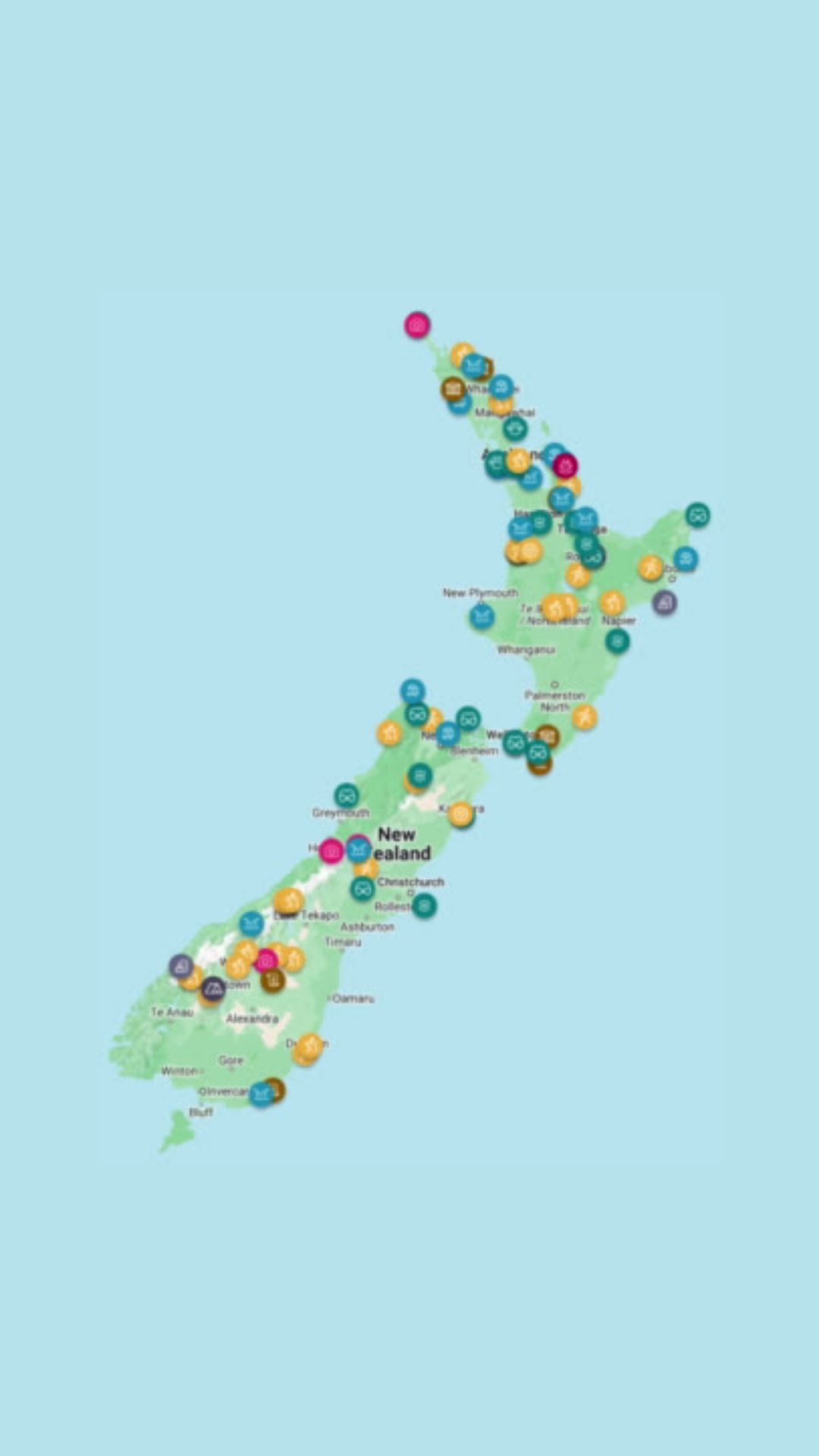
Places from this episode
- Nelson Tasman
- Marlborough
- Wainui Falls
- Motueka
- Abel Tasman
- Cleopatra's Pool
- Northland
- Central Otago
- Canterbury
- Catlins
- Southland
- Fiordland
- West Coast
- Haast
- Jackson Bay
- Karamea
- Heaphy Track
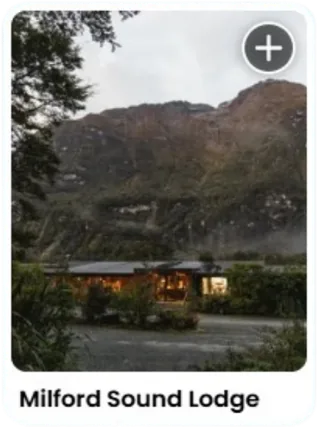
- Milford Sound
Follow Tiff and Nathan
- Instagram and Facebook: The Road Less Written
- Blog: theroadlesswritten.com.au, with their van life and eco-conscious travel tips, and the New Zealand day walks and hidden gems they've found
Links from this episode
- Follow Nathan & Tiff on Instagram: instagram.com/theroadlesswritten/
- theroadlesswritten.com.au
- Follow Abigail on Instagram: instagram.com/abigailhannnah
- Follow Aotearoa Adventures on Instagram: instagram.com/aotearoa_adventures_
More like this
- Full Time Vanlife and Staying Off-Grid in Fiordland with Jord and Tom
- Planning an Adult Gap Year to Full-Time Van Life with Sagar and Ami
- Vanlife, the East Cape and Life Done Differently with Lisa Jansen
- Living on the Road for Three Years with Goose and Ellen
Until then, keep adventuring :)
The ultimate
NZ road trip adventure guide
Packed with insider tips and stunning photography, this is the only resource you need to plan your journey.