Episode 138
An Obsession with the Mountains of Tongariro National Park with Hazel Phillips

Episode 138
An Obsession with the Mountains of Tongariro National Park with Hazel Phillips
Spotify Apple Podcasts Everywhere else Download
Every time we head to the national park, I put on my first chat with Hazel in the car on the drive down. Where are we exploring this time? So when she released a whole book about Tongariro National Park, I had to get her back.
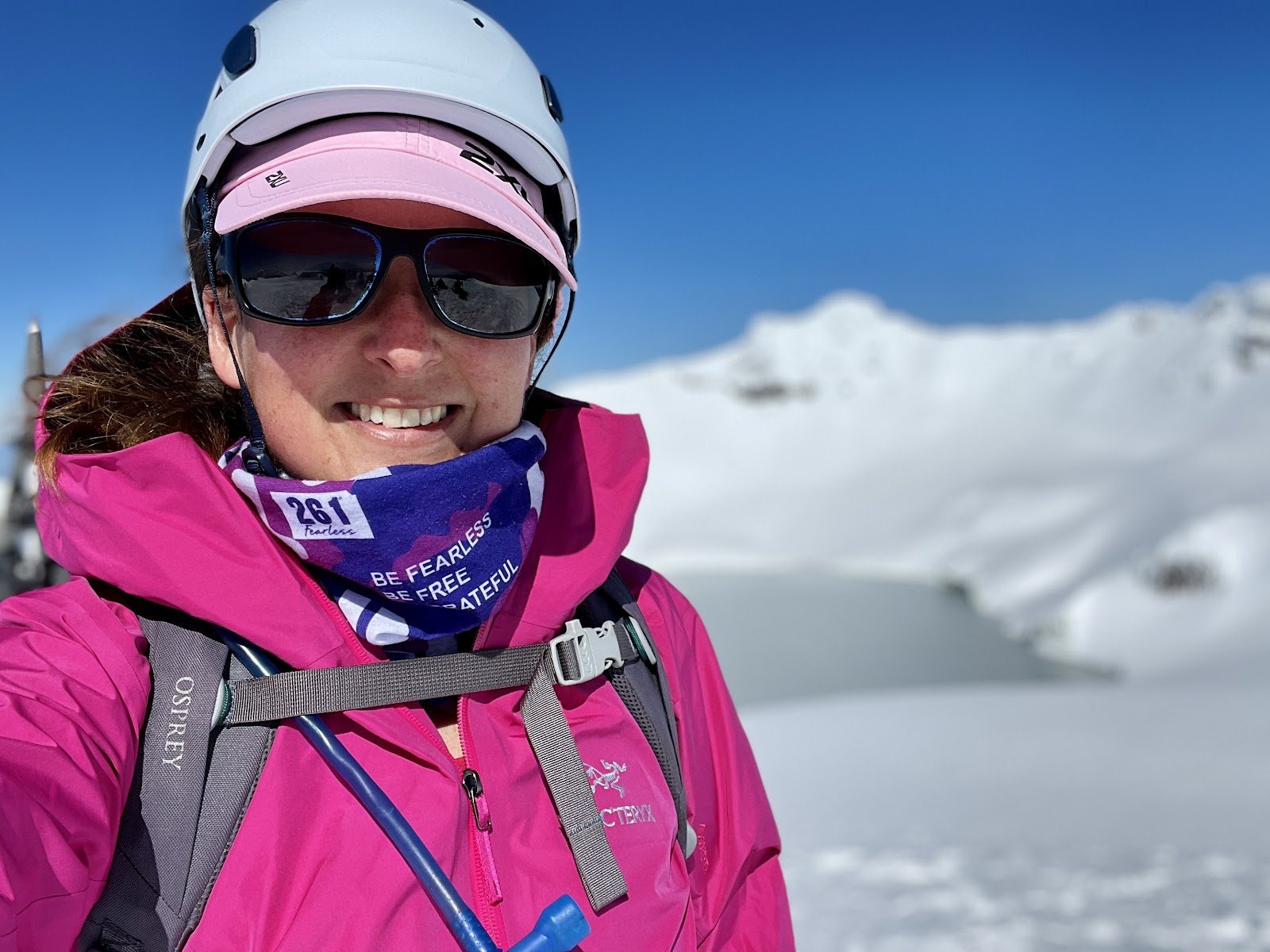
Hazel is an adventure enthusiast, comms person, writer and keen skier, and by her own description, a Ruapehu enthusiast who is possibly a bit obsessed. (I'd go with obsessed.) Her fourth book, Fire and Ice, is full of the park's secrets, histories, treasures and mysteries.
And I learned soooo much. We talk about a 1962 photo of people swimming in Crater Lake, a smashed summit plaque, shrinking glaciers, a very scientific Mallowpuff experiment, secret huts and swimming holes, where to start if you're new to the park, and how Hazel thinks about climbing Ngāuruhoe.
In this episode
- From bookworm to Ruapehu obsessive
- Crater Lake swimmers and Holl's Rock
- The Girdlestone Peak plaque
- Ruapehu's shrinking glaciers and the Mallowpuff test
- Swimming holes, Round the Mountain and the secret hut
- Where to start in Tongariro National Park
- Climbing Ngāuruhoe and respecting the mountains
From bookworm to Ruapehu obsessive
Anyone who knew Hazel before she was about 30 would be stunned that she's into the outdoors at all. She was a massive bookworm, and her idea of a good time was a library or a bookstore. She hated being made to go tramping on school camp.
What changed it was a friend who walked the Milford Track independently, carrying all her own gear. Hazel is quite a short human, and her friend is shorter and smaller, and that blew Hazel's mind: she could do that too. So she walked the Milford, back before booking a Great Walk became a competitive sport. On day two she was so sore she thought she was going to die, and she loved the whole experience.
My first hike in New Zealand was Pirongia in the Waikato: four soggy, muddy days, and what we thought would be a three or four hour day took 10. Hazel says that's legit a hard track, so I feel better.
Crater Lake swimmers and Holl's Rock
The obsession began with a photo. In 1962, Ronald Fox, a photographer for the Tourism Publicity Studio, photographed people bathing in Ruapehu's Crater Lake, with women in bikinis in the snow and the peak of Tahurangi behind. Back then, people rode a snowcat to the top, had a dip and skied down: the ultimate in shiny tourist glamour. Now we recognise it as culturally inappropriate, and it made Hazel think about how differently we engage with Ruapehu today.
Then, in DOC's Tongariro National Park Management Plan, she found an asset she'd never heard of, and Google turned up nothing. A request to DOC eventually came back with a one-liner: it was a memorial to Horace Holl.
Down the rabbit hole she went, and it turned out to be two things, with some details wrong in the plan:
- Holl's Rock, on the northern side of the park at the base of Ngāuruhoe, is a climbing crag, the first in the national park. Horace Holl used to take people there to do his classic ledge and crack climb around a corner, to test their mettle as climbers.
- A memorial rock and cairn on the southern side of the Mangaturuturu River, because Hull, a beloved figure, died crossing that river in 1927.
That's what captured her imagination: things you could stumble across, or read about and go and track down, like memorial cairns or the three plane wrecks on the mountain.
The Girdlestone Peak plaque
On Girdlestone Peak there was a plaque in memory of Hugh Girdlestone, an early surveyor in the park and a massive enthusiast for the area, who died of shrapnel wounds in World War One. His friends put it up there.
An angry local climbed the peak with a friend, had no idea the plaque was there, and was really annoyed to find something like that in the backcountry. He went back up the next day, smashed it and threw it off the peak. Later, people who thought the weather had broken it partly jigsawed it back together on the summit.
When he found out, he planned to go up and throw it off properly this time. Hazel's view:
"It changes it from history into rubbish. And I don't like the idea of rubbish in the National Park."
So she went up with him, and they carried the heavy blue granite plaque down in their packs, along with the four copper valves from a Model T Ford engine that had pinned it to the rock for over 100 years. Hazel is clear he isn't part of Ngāti Rangi, the iwi with mana whenua over that side of the mountain.
For Hazel, the book started with an obsession and ended with a sense of purpose: chronicling the European human footprint on a pristine World Heritage Area, ahead of a cultural redress process for Te Kāhui Maunga that she says is very overdue.
I recently found out that two generations ago, trampers just dug a hole and buried their rubbish in the bush. Leave no trace is so embedded in me, and it's such a recent idea.
Ruapehu's shrinking glaciers and the Mallowpuff test
There's not a lot of ice left on Ruapehu, and the glaciers are all receding. On mapspast.org.nz, you can see how they were mapped back then.
The Whakapapa Glacier used to spill over the summit plateau and down the side. Now there's a crater rim you descend from into the plateau. Hazel has seen it change herself. In early 2019 there was an ephemeral summer lake at the top of the plateau. Back recently at the same time of year, the ice had sunk 15 metres, the lake had drained, and it was all broken, cut-up ice too unstable to go near.
People started tracking the glaciers in the 1950s. Ludwig Krenek, who came over from Austria, would walk from his ski club lodge on Whakapapa past Tūroa to the end of the Mangaehuehu Glacier, measure it, and walk all the way back.
Before and after photos are so striking. Photos of the Tasman Glacier in Aoraki from the nineties show it right up at the lookout.
The Mallowpuff test
Hazel had read a paper by Dr Harry Keys, who has tracked the glaciers, and hoped to meet him one day. DOC, sick of her requests, eventually passed her on to him (the world's biggest hospital pass, she says), and he came for a walk. Harry had started the Mallowpuff test: when the morning tea Mallowpuffs cracked across their marshmallow domes at altitude, his team tested how many cracked and where, and published it in the Tongariro Journal.
For overseas listeners: a Mallowpuff is a biscuit base topped with a dome of marshmallow, all covered in chocolate.
On their walk, Hazel's Mallowpuffs cracked, and Harry started eating the experiment. He'd only studied fracture initiation, so Hazel has taken it further into fracture development. Hers crack around the biscuit, not across the dome, so the recipe or manufacturing must have changed. Frozen or old Mallowpuffs don't expand well, and a friend found that vacuum sealed at 40 metres deep in Lake Taupō, they get pulverised. The manufacturer eventually asked her politely to go away.
Mallowpuffs are a great tramping snack, if you don't mind them a bit cracked.
Swimming holes, Round the Mountain and the secret hut
Hazel's big secret for swimming holes is that you go pretty much anywhere on Ruapehu, find a watercourse and follow it:
"find a water course and follow it and you will find a treat."
She looks at watercourses on satellite view, matches them up on the topo, and goes to look.
- Wairere Stream. Beautiful pools that stay cold right through summer, so they're better to look at than get into.
- The stream before Blyth Hut. This is where her swimming hole obsession started. She went to drink from it and it was warm, so she got in: tepid water in the middle of summer, and absolutely beautiful.
- The Cascades. The highest temperature she's had there in summer is 11 degrees. They're worth getting into anyway.
- The Mangaturuturu River, further down, has nice swimming holes too.
Round the Mountain and the 1931 search
We walked the Whakapapa to Tūroa half of the Round the Mountain Track last year with friends. A mix-up meant we only had maps for that section, which Hazel says is the hardest. Just before you climb up towards the road, you cross a big river at the Cascades. How is nobody talking about them? If it hadn't been the middle of winter, I'd have been swimming.
That section is deeply historic, Hazel says. It came from 1931, when a group of students and lecturers from Auckland University College set out to summit Paretetaitonga. A storm came in on the way down the Whakapapa Glacier, they veered into the Whakapapaiti and spent the night at a giant bivvy rock, where a plaque now remembers Warwick Stanton. The next morning they split up, and Stanton, the fittest of the group, died. His body was eventually found in the Makatote gorge.
Afterwards, Joe Blyth, who Blyth Hut is named after, put that section of track in and poled it, so anyone who lost their way coming off the glacier would hit the track and follow it to safety.
The secret hut
One day, years ago, Hazel was celebrating at the National Park store, ice cream in hand, because she thought she'd ticked off every hut and track in the park. A man told her she hadn't: she hadn't been to the secret hut. She thought it was a prank, but he gave her directions to the southern side, and the next day she went.
Sure enough, there's a little secret hut nestled in the bush, one of the oldest examples of a historic heritage hut in the park. It's locked and kept up to scratch by the Tongariro Tramping Club. You push through the bush and suddenly it's there. The book, 130,000 words and 400 pages, is the cut-down version of her love letter to Ruapehu, and people keep contacting her with more stories.
Where to start in Tongariro National Park
Hazel reckons just driving to the national park and seeing the mountains will make you blow a gasket. For a first visit:
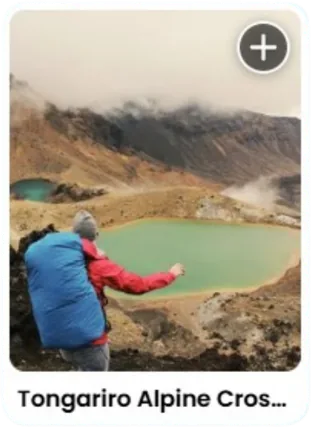
- The Tongariro Alpine Crossing. The biggest bang for buck for scenery.
- Round the Mountain. It's getting busier than it was 10 years ago, but it's still not that populated.
- Taranaki Falls. About an hour and a half and 6 kilometres around, and pretty speccy.
- Tawhai Falls. A short walk to a really beautiful waterfall.
The Tongariro Northern Circuit was my first Great Walk. Quick tip for the two mountain tracks: Round the Mountain is Ruapehu. Around the Mountain is Taranaki, because Taranaki looks like an A.
Hazel points out that Ngāuruhoe is taller than Tongariro but is a vent of it: Ngāuruhoe is young and groovy, and Tongariro is the old wise man who's blown his top off.
Ideas for experienced trampers
Hazel looks at the topo: anywhere above the bush line is great for exploring. Two ideas:
- An alternative Tama Lakes walk. Past Upper Tama Lake, around the northern side of point 1562 (Holl's Rock), down a ground trail to the Waihohonu Spring and up the ridge to Waihohonu Hut. The spring's stream usually isn't crossable, so be on the correct side first.
- An alternative crossing. From Mangatepopo Hut, follow the ridge informally called Hardman's Ridge towards the Tongariro summit or North Crater, drop to Blue Lake and loop back out the Mangatepopo Valley. With alpine skills, it's a really fun trip on a good day (when we recorded, you couldn't park for more than four hours).
Anywhere in the park, the weather can change really quickly and you can be in a really exposed position. At any time of year, Hazel would always carry waterproof pants and jacket, a bothy or bivvy bag, a PLB and another form of communication, lots of water and snacks, and warm clothes. You can leave the car park in shorts and be wearing everything you own by the top. The Mountain Safety Council has great short videos on the popular tracks.
Her book also has rescue stories, including a SAREX, a land search and rescue exercise where her job was to get lost. The most fun adult hide and seek ever.
Climbing Ngāuruhoe and respecting the mountains
A listener asked about climbing Ngāuruhoe from a cultural perspective. Hazel is clear she isn't a spokesperson: she's super, super Pākehā and isn't part of any iwi. Some years ago, Ngāti Hikairo ki Tongariro asked people not to climb the peaks, because they are sacred, so most mountaineers will climb but not go to the very top.
At the moment, Hazel says, it's an individual decision. The National Parks Act guarantees free access, and DOC can close features for safety. She feels conflicted: she loves these mountains and wants to know every part of them, and she completely acknowledges the cultural implications. For her, intent tells you a lot. Drinking on a summit and taking arrogant photos, knowing nothing of the history, is one thing. People around Ōhakune who go up to clean rubbish off the ski fields engage with the mountains in a different way.
The book started with that culturally offensive image of people swimming in Crater Lake, and ended with the question of how to engage more respectfully, and how to see a mountain as more than its summit, which is a very small area:
"For me, intent is everything."
Hazel recommends some light bedtime reading: the Wai 1130 Waitangi Tribunal report, on the cultural history, land confiscation and how the park was formed from many blocks of land, each with its own history. In her view, nobody, Pākehā in particular, should feel entitled to the land. She likes the tangata whenua idea that we belong to the mountains, and feels that Ruapehu is kind of her mountain, and she belongs to him.
Places from this episode
- Tongariro National Park
- Ruapehu
- Crater Lake
- Ngāuruhoe
- Tongariro
- Holl's Rock
- Mangaturuturu River
- Girdlestone Peak
- Whakapapa Glacier
- Mangaehuehu Glacier
- Wairere Stream
- Blyth Hut
- The Cascades
- Round the Mountain Track
- Whakapapaiti
- Paretetaitonga
- Makatote
- Tongariro Alpine Crossing
- Tongariro Northern Circuit
- Taranaki Falls
- Tawhai Falls
- Tama Lakes
- Waihohonu Spring
- Waihohonu Hut
- Mangatepopo Hut
- Hardman's Ridge
- Blue Lake
- Milford Track
Follow Hazel
- Instagram: @hazelphilly
- Book: Fire and Ice, from bookstores (independent ones get her vote), from the publisher Massey University Press online, and from online outlets overseas
Links from this episode
- Follow Hazel on Instagram: instagram.com/hazelphilli/
- Get her book: Fire and Ice: Secrets, histories, treasures and mysteries of Tongariro National Park
- Follow Abigail on Instagram: instagram.com/abigailhannnah
- Follow Aotearoa Adventures on Instagram: instagram.com/aotearoa_adventures_
More like this
- Pioneering Women of Aoraki Mount Cook with Hazel Phillips
- Taranaki Three Peaks Traverse and Supporting Families in the Outdoors with Jenn Julian
- Summitting Mt Earnslaw and Mountaineering for Beginners with Wiktoria
- Routefinding and Bivvying on Mount Wakefield with Jinal Govind
Until then, keep adventuring :)
The ultimate
NZ road trip adventure guide
Packed with insider tips and stunning photography, this is the only resource you need to plan your journey.